
eLearning Course Health Audit
Check the boxes that apply to your current course plan. This tool will calculate your "Alignment Score" based on the Three P's framework.
People
Process
Platform
Your Alignment Score
Recommended Priority:
Quick Takeaways for Course Creators
- People: Focus on the learner's psychology and the instructor's role.
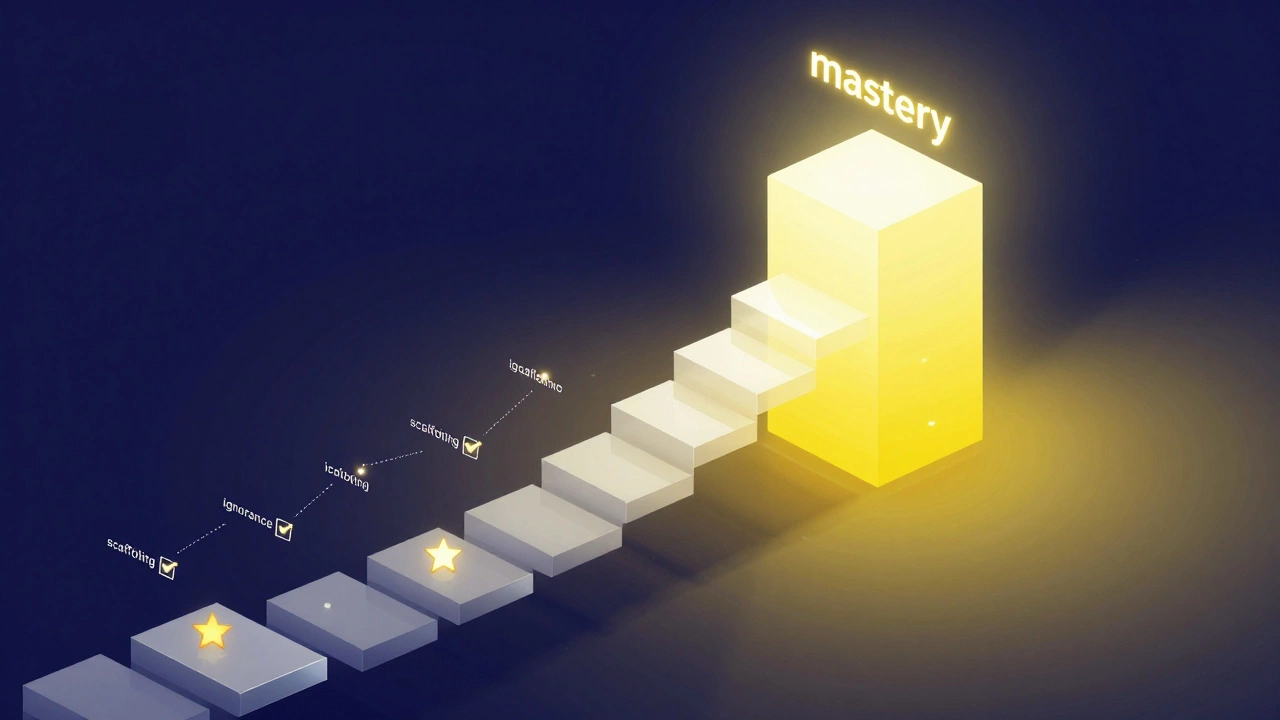
- Process: Map out the journey from ignorance to mastery using structured design.
- Platform: Choose tools that support the process, not tools that dictate it.
- The Secret: Balance all three. Too much focus on the platform leads to "tech-bloat" where the tool gets in the way of the learning.
People: The Heart of the Learning Experience
Before you open a single software tool, you have to look at the human element. In the world of eLearning is a digitally delivered education system that uses electronic technologies to provide a flexible learning experience, the 'People' pillar covers everyone involved. But the most important person is the learner.
You can't design a course without a deep understanding of your audience's current skill level. Are they complete novices or seasoned pros? For example, if you're teaching advanced data analysis to accountants, you don't start with "what is a spreadsheet." You start with how to automate a pivot table. If you misread your people, they'll either be bored to tears or completely overwhelmed.
Then there's the instructor. In an online setting, the teacher's role shifts from a "sage on the stage" to a "guide on the side." The best online courses don't just dump information; they provide mentorship and feedback. Think about the difference between a pre-recorded video and a live Q&A session. The human connection-whether it's through a forum or a video call-is what prevents students from dropping out. Without a sense of community and support, completion rates for online courses often plummet below 10%.
Process: Mapping the Journey to Mastery
Process is the "how" of your course. It's the blueprint. Many people mistake a syllabus for a process. A syllabus is just a list of topics; a process is a strategic path that leads a student from point A to point B. This is where Instructional Design comes into play. Instructional design is the practice of creating instructional experiences which make the acquisition of knowledge and skill more efficient, effective, and appealing.
A common mistake is the "information dump." This is when a creator puts every single thing they know into a module and hopes the student absorbs it. Instead, a strong process uses techniques like scaffolding. You give them a small win first, then build on that success. If you're teaching a language, you don't start with complex grammar; you start with phrases they can use immediately to order a coffee. This immediate utility triggers a dopamine hit that keeps them coming back.
You should also consider the ADDIE Model, which is a standard process in the industry. It stands for Analyze, Design, Develop, Implement, and Evaluate. If you skip the "Analyze" part, you're essentially guessing what your students need. If you skip "Evaluate," you'll never know if your course actually worked or if the students just guessed the right answers on the final quiz.
| Feature | Information Dump | Structured Process |
|---|---|---|
| Goal | Cover all material | Ensure skill mastery |
| Structure | Linear/Chronological | Scaffolded/Layered |
| Assessment | One final exam | Continuous feedback loops |
| Outcome | Passive consumption | Active application |
Platform: The Tool, Not the Teacher
The platform is the easiest part to focus on, which is why so many people get it wrong. They spend weeks picking the perfect Learning Management System (LMS)-a software application for the administration, documentation, tracking, reporting, and delivery of educational courses-before they've even decided what they are teaching. The platform should be a transparent vehicle for the process and the people.
A good platform supports the pedagogical goals. If your process requires high levels of interaction, a platform that only allows for PDF downloads and multiple-choice quizzes will fail you. You'll need tools like discussion boards, peer-review systems, or interactive video players. If you're teaching a coding class, the platform needs a built-in sandbox where students can write and run code without leaving the lesson.
Avoid "feature fatigue." Just because a platform offers gamification, AI-generated summaries, and 3D virtual classrooms doesn't mean you need them. In fact, too many features can distract the learner. If a student has to spend twenty minutes figuring out how to navigate your dashboard, they've already lost the mental energy needed to learn the actual subject matter. Keep the UI clean and the navigation intuitive.
Putting the Three P's Together
The magic happens when these three elements align. Imagine you are creating a course on "Digital Marketing for Small Businesses."
First, you handle the People. You research your audience and find they are stressed business owners with very little time. They aren't interested in the history of marketing; they want more leads by next Tuesday. You decide to act as a coach, providing weekly checklists and a supportive community group.
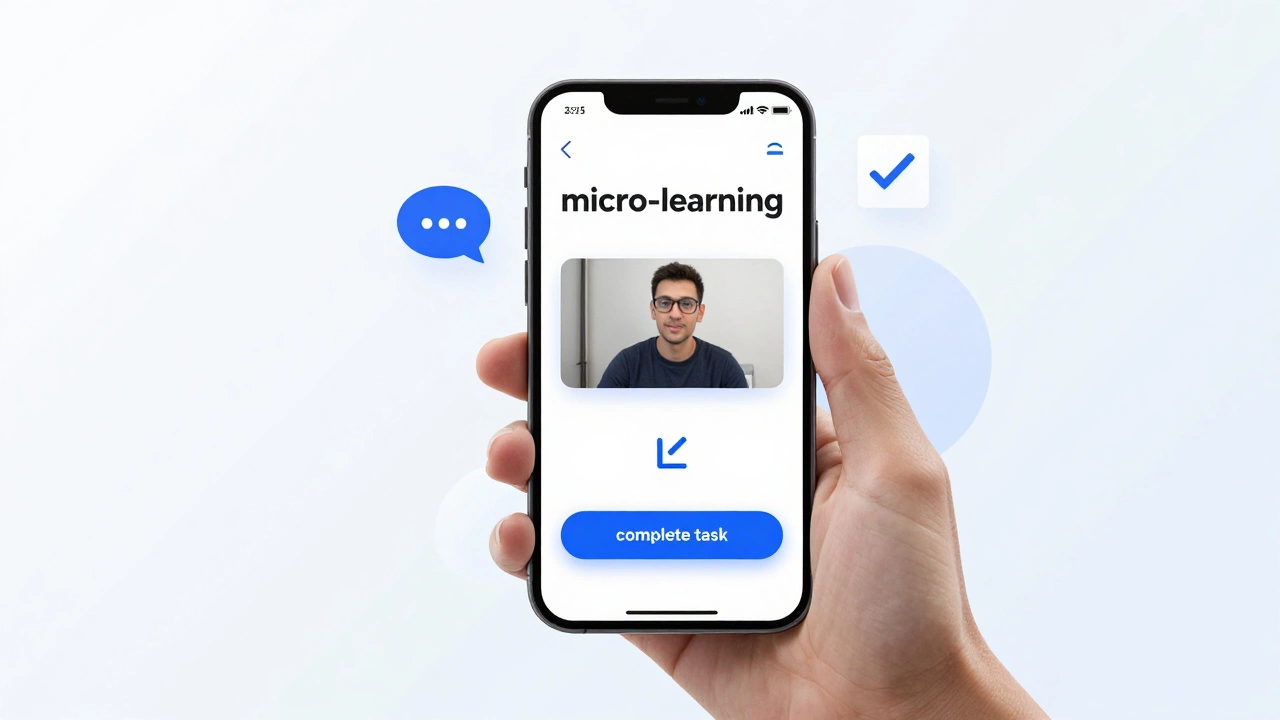
Next, you design the Process. Instead of a 40-hour lecture series, you create a "Sprint" model. Week 1 is about one specific goal (e.g., Setting up a Google Business Profile). The process is: Watch a 5-minute video $\rightarrow$ Complete the task $\rightarrow$ Submit a screenshot for feedback. This is an active learning loop.
Finally, you pick the Platform. Since your people are time-poor and likely on their phones, you choose a mobile-responsive LMS that supports "micro-learning" (short, bite-sized pieces of content). You integrate a simple community forum so they can share their wins with other business owners.
If any one of these is missing, the system breaks. If you have the right people and process but a terrible platform, the students get frustrated by the tech. If you have a great platform and people but no process, the students get lost in the content. If you have a platform and process but ignore the people, the course feels robotic and impersonal.
Common Pitfalls and How to Avoid Them
One of the biggest traps is the "Sunk Cost Fallacy" with platforms. Many companies pay thousands of dollars for a top-tier enterprise LMS and then force their instructional process to fit the software's limitations. If your software doesn't allow for the type of interaction your learners need, don't change the learning-change the software.
Another mistake is ignoring the "Evaluation" phase of the process. We often launch a course and assume that if students finish it, they learned it. But finishing a course is not the same as mastering a skill. You need a way to measure the delta-the difference between what they knew before and what they know now. Use real-world projects or simulations rather than simple quizzes to prove the process worked.
Lastly, don't forget about accessibility. The 'People' pillar includes everyone, including those with visual or hearing impairments. Using a platform that doesn't support screen readers or providing videos without closed captions isn't just a technical oversight; it's a failure to consider the human element of your audience.
Which of the three P's is most important?
None of them can be ignored, but People should always come first. If you don't understand who your learners are, your process will be flawed and your platform choice will be irrelevant. Understanding the human needs of the learner dictates how the other two pillars are built.
Can I use a simple website as my platform?
Yes, but it depends on your process. If your course is just a series of videos and articles with no need for tracking progress, quizzes, or certifications, a simple website or blog is fine. However, if you need to ensure a student has completed Module A before moving to Module B, you'll need a dedicated Learning Management System (LMS).
How do I improve the 'Process' part of my eLearning?
Start by defining a clear end goal: "By the end of this course, the student will be able to [do X]." Then, work backward to identify the smallest possible steps required to reach that goal. Use the ADDIE model to analyze, design, and-most importantly-evaluate the results through student feedback and performance data.
What is the difference between a platform and a process?
The process is the pedagogical strategy-the map of how learning happens. The platform is the tool used to deliver that strategy. For example, "Peer-to-peer review" is a process; "a forum with a grading plugin" is the platform that enables it.
How often should I update the three P's?
Platforms evolve the fastest, so you should review your tech stack every 1-2 years. Processes should be updated based on student performance data-if students are consistently failing a specific module, the process for that section is broken. The 'People' aspect changes as your target audience evolves or as new industry standards emerge.
Next Steps for Your Course
If you're currently building a course, stop and do a quick audit. Grab a piece of paper and divide it into three columns: People, Process, and Platform.
- People: Write down three specific frustrations your ideal student has. If you can't, you need more research.
- Process: Sketch out the path from the first lesson to the final project. Does it feel like a climb, or just a list of facts?
- Platform: List the three most important interactions in your course. Does your software actually support those interactions, or are you trying to force a square peg into a round hole?
Once you've identified the gaps, fix the 'People' understanding first, then refine the 'Process,' and only then tweak the 'Platform.' That's the only way to ensure your students actually cross the finish line.