How to Build an Online eLearning Platform: A Practical Guide
Learn how to build an online eLearning platform in 2026. Compare SaaS vs. custom solutions, choose the right tech stack, and master content creation tips.
When you think of e-learning platforms, digital systems that deliver courses, track progress, and connect learners with content without needing a physical classroom. Also known as online learning platforms, they’re now the backbone of how millions learn new skills—from coding to cooking—anytime, anywhere. But not all platforms are built the same. Some feel like digital textbooks with quizzes. Others act like real classrooms, with feedback, discussion, and even career support. The difference isn’t just in price—it’s in how they help you actually learn.
Google Classroom, a free tool used by schools to assign work, share files, and hold virtual lessons is great for structured learning in K-12 or small groups. But if you’re looking to build a career in data science or project management, you’ll likely turn to something like Coursera, a platform that partners with top universities and companies to offer accredited courses and certificates. These aren’t just video libraries—they’re learning ecosystems with graded assignments, peer reviews, and credentials employers actually recognize. Then there are platforms built for creators, like Teachable or Udemy, where anyone can sell a course. That means the quality varies wildly. One course might change your career. Another might waste your time.
What makes a good platform? It’s not just about flashy design or how many courses it has. It’s about whether it keeps you engaged, gives you feedback, and helps you measure progress. If you’re learning on your own, you need structure. If you’re a teacher, you need tools to manage students. If you’re trying to get hired, you need proof—like a certificate—that your skills are real. The best platforms understand these needs and build around them. Some even track your learning with standards like xAPI or cmi5, which let employers see exactly what you’ve done, not just that you clicked through a video.
You’ll find posts here that cut through the hype. We’ve got real breakdowns of whether Duolingo gets you fluent, if Google certificates actually help you land a job, and why some e-learning tools feel like a chore while others feel like a breakthrough. We’ll show you which platforms are worth paying for—and which free ones are just traps with ads. You’ll learn how to spot a good course, avoid burnout, and pick the right platform whether you’re a student, a teacher, or just someone trying to level up.
By the end, you won’t just know the names of the top platforms. You’ll know how to pick the one that fits your goals, your time, and your learning style—without wasting money or motivation on something that doesn’t work for you.

Learn how to build an online eLearning platform in 2026. Compare SaaS vs. custom solutions, choose the right tech stack, and master content creation tips.

Explore whether Netflix qualifies as a digital platform and what e-learning professionals can learn from its technology, user engagement strategies, and cloud infrastructure.

Discover why e-learning completion rates are low and how to overcome the biggest challenge: student engagement. Learn practical tips to stay motivated.

Explore the pros and cons of distance learning versus classroom education in 2026. Discover which method suits your learning style, budget, and career goals.

Discover the top learning apps in 2026. We compare Coursera, Udemy, Duolingo, and more to help you choose the right platform for your specific goals, whether it's coding, languages, or career skills.

Learn how the three P's of eLearning-People, Process, and Platform-work together to create effective online courses that actually drive student results.
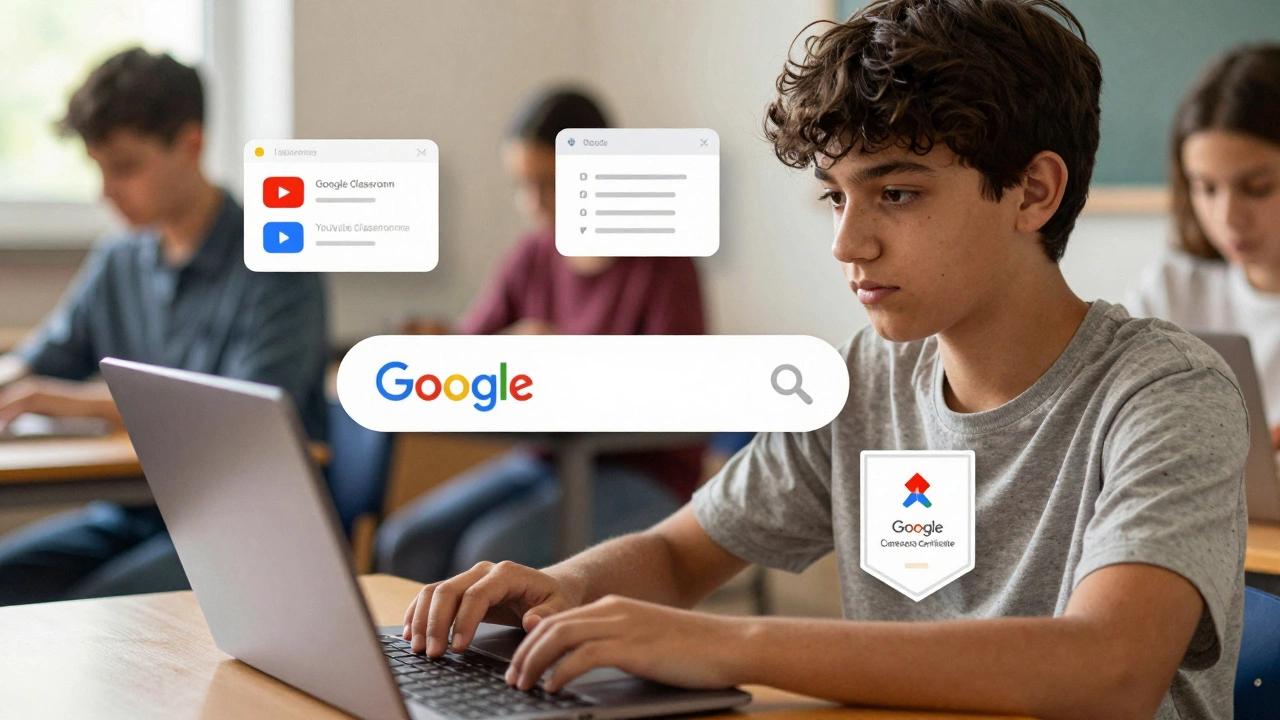
Google isn't a traditional e-learning platform, but it powers learning for millions through Classroom, YouTube, Search, and free career certificates. Here's how Google enables learning without selling courses.

There are four main types of digital e-learning platforms: LMS, MOOCs, skill-based platforms, and interactive apps. Each serves different learning goals - from earning degrees to building daily habits. Knowing which one to use can save you time and money.
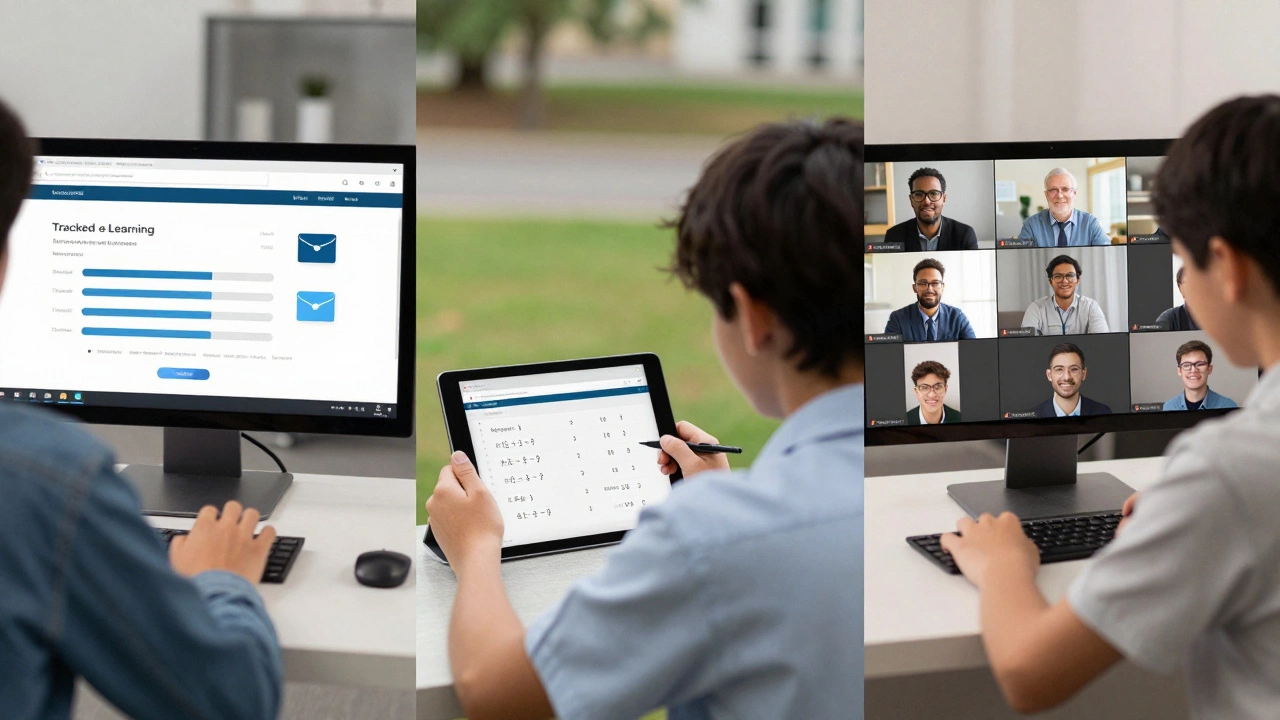
eLearning, online learning, digital learning, and distance education all describe learning without being in a classroom-but they’re not the same. Learn how each term is used in real life.
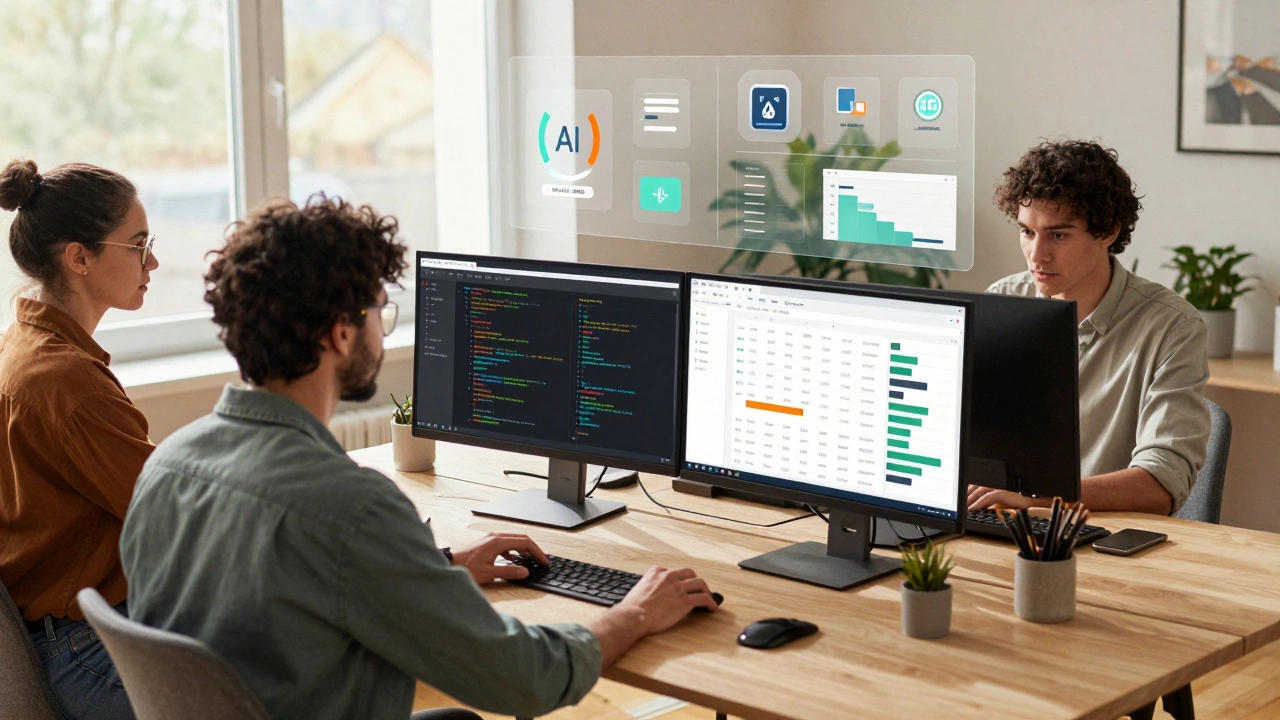
In 2026, the most valuable online degrees are in computer science, health informatics, and project management. These fields offer high demand, strong salaries, and employer trust-without requiring a traditional campus experience.
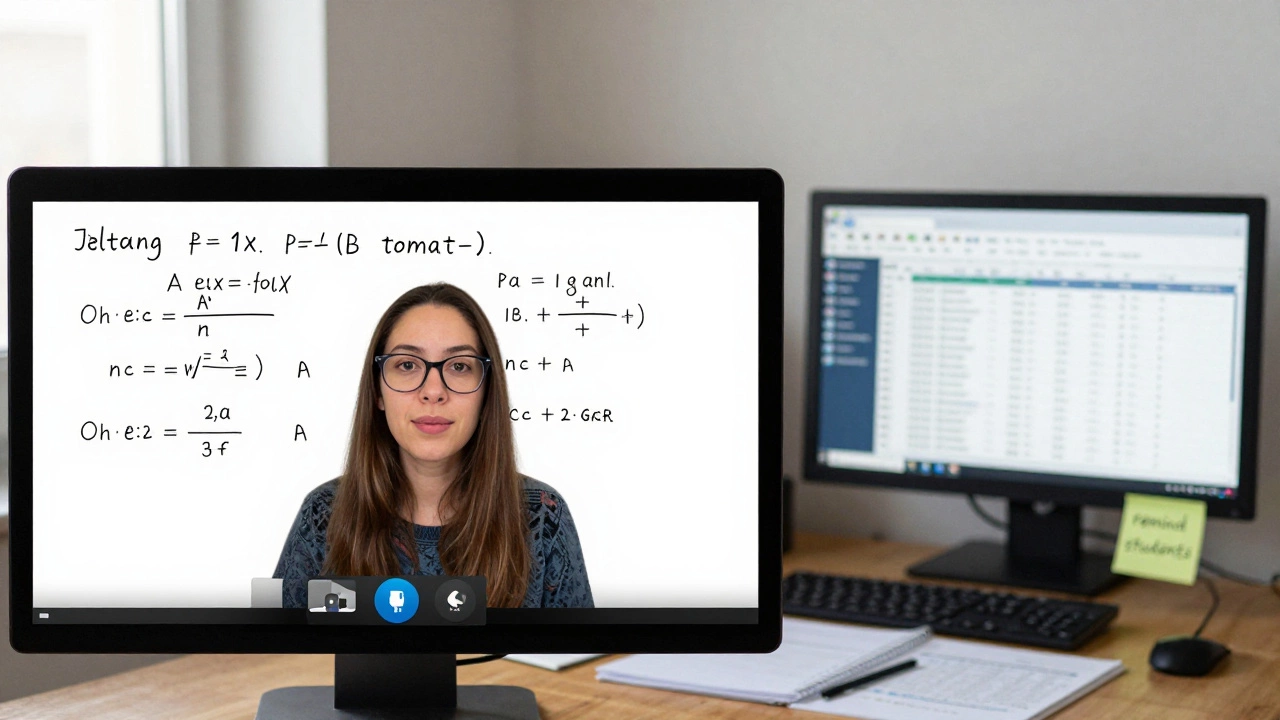
Discover which online teaching platform is best for your teaching style in 2026 - whether you're tutoring live, selling courses, or managing a classroom. No fluff, just real comparisons.

Byju Raveendran is the CEO of BYJU's and the driving force behind its transformation of NEET coaching through engaging, visual learning. His leadership has made quality prep accessible to millions across India.