Digital Platform: What It Is and How It’s Changing Education in India
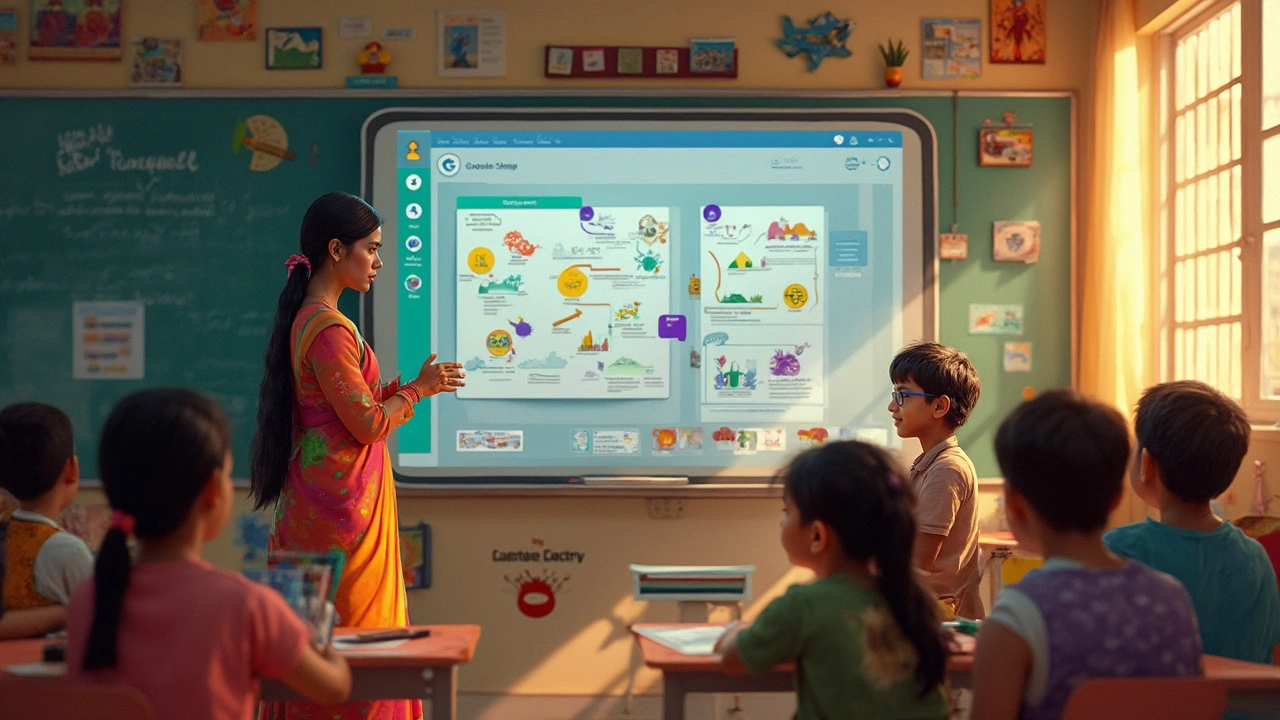
When we talk about a digital platform, a system that delivers learning, tools, or services over the internet. Also known as online learning environment, it’s no longer just a fancy term—it’s the backbone of how millions of students in India study, practice, and prepare for exams today. Think of it like a virtual classroom that never closes. Whether it’s a student in rural Bihar using a free app to memorize NEET concepts or a teacher in Mumbai assigning homework through Google Classroom, a digital platform connects people, content, and progress—all without needing a physical building.
What makes a digital platform useful isn’t just the tech, but what it enables. e-learning, learning that happens through digital tools instead of in-person classes. Also known as online education, it’s the core activity powered by these platforms. You’ll find it in Duolingo’s bite-sized English lessons, in coaching apps that track your JEE progress, or in the video lectures that replace crowded lecture halls. Then there’s Google Education Platform, a free suite of tools used by schools across India to manage assignments, communicate, and track student work. It’s not the only option, but it’s one of the most widely adopted—so much so that some schools are now looking for alternatives because of privacy and lock-in concerns.
These platforms don’t just host content—they change how you learn. A digital platform lets you study at your own pace, revisit tough topics, and get instant feedback. It’s why someone with no access to a top coaching center can still crack the JEE using YouTube videos and free quizzes. It’s why MBA students in Tier-2 cities can compare ROI of programs across India without ever stepping onto a campus. And it’s why vocational training is now accessible to someone in a small town who just needs a 6-week course to land a job in IT support or healthcare assistance.
But not all digital platforms are built the same. Some are designed for mass reach—like free apps that rely on ads. Others are built for depth—like paid platforms that offer live doubt-solving or personalized feedback. The best ones don’t just give you content; they give you structure, tracking, and community. That’s what separates a tool that helps from a tool that transforms.
Below, you’ll find real stories and comparisons from students and teachers who’ve used these platforms. You’ll see which ones actually deliver results, which ones feel like a waste of time, and how to pick the right one for your goals—whether you’re preparing for NEET, learning to code, or trying to improve your English. No fluff. Just what works.