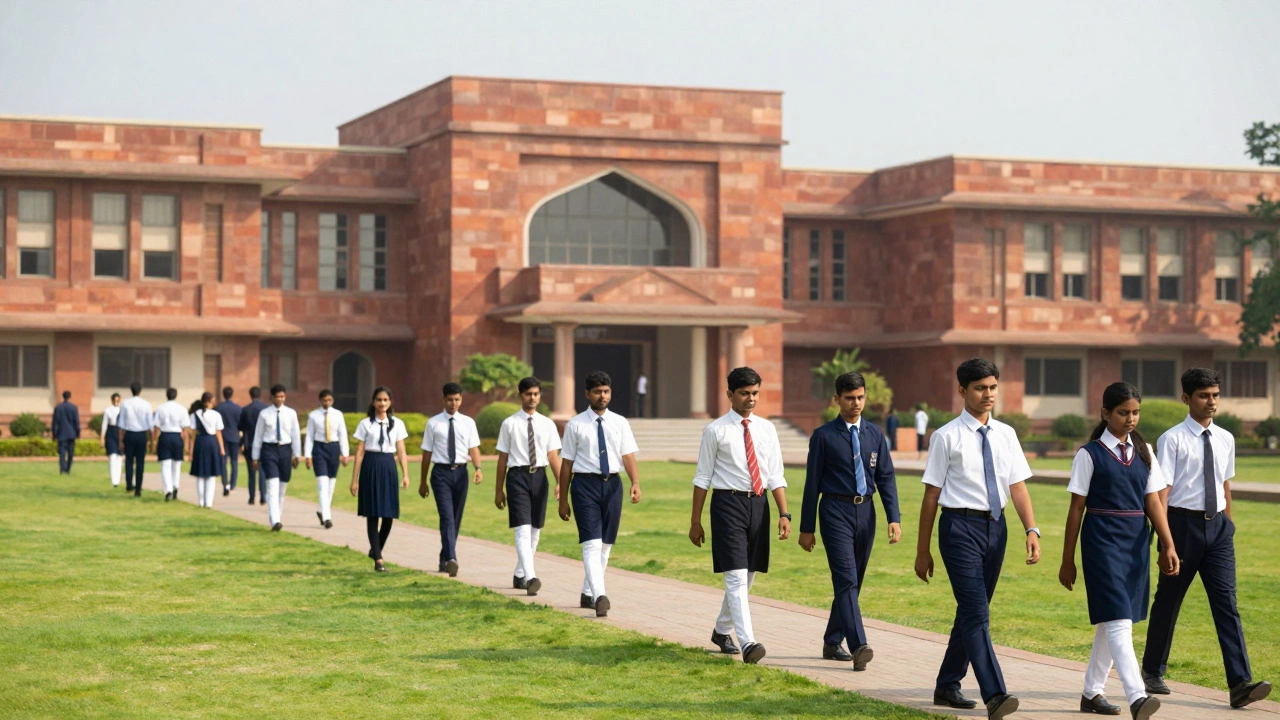
Delhi Public School (DPS) Curriculum Verifier
Verify the official board affiliation of Delhi Public School branches and understand the key differences between CBSE and ICSE curricula.
Official DPS Affiliation
CBSE Only
Every single school under the Delhi Public Schools Society operates strictly under the Central Board of Secondary Education (CBSE). There is no ICSE option within the official DPS framework.
- ✓ Aligns with JEE & NEET
- ✓ Standardized across 300+ branches
- ✓ Focus on Science & Math
ICSE Curriculum
Not Offered by DPS
The Indian Certificate of Secondary Education (ICSE) is administered by CISCE. It focuses on literature, languages, and descriptive answers. If a school claims to be DPS but offers ICSE, it is likely operating independently or misleadingly.
- ✗ Not available at any legitimate DPS campus
- ✗ Different syllabus depth
- ✗ Harder to switch from later
There is a persistent myth in Indian education circles that the Delhi Public School (DPS) network might offer an alternative to its standard curriculum. Parents often ask: "Is Delhi Public School ICSE or CBSE?" The short answer is definitive. Every single school under the Delhi Public Schools Society operates strictly under the Central Board of Secondary Education (CBSE). There is no ICSE option within the official DPS framework.
If you are looking for an International Baccalaureate (IB) or Cambridge IGCSE curriculum, you will not find it at a DPS campus. This distinction matters because the choice between boards shapes your child's daily learning experience, exam pressure, and future career path. Understanding why DPS sticks to CBSE helps you decide if this network fits your family's educational goals.
The Structure of the Delhi Public Schools Society
To understand the curriculum, you must first understand the organization. The Delhi Public Schools Society is not just one school; it is a massive federation. Founded in 1949, it started as a single institution in New Delhi. Today, it oversees over 300 branches across India and more than 60 international campuses in countries like the UAE, Qatar, and Myanmar.
This uniformity is intentional. The society was created to provide quality education to children of government employees who were frequently transferred across the country. A standardized curriculum ensures that a student moving from DPS Patna to DPS Chandigarh faces no academic disruption. Switching between boards-say, from ICSE to CBSE mid-way through high school-is notoriously difficult due to differences in syllabus depth and exam patterns. By locking into the CBSE syllabus, the DPS network guarantees seamless transitions for mobile families.
While some private schools claim "DPS-style" branding without official affiliation, any legitimate branch registered with the Delhi Public Schools Society follows the national CBSE guidelines. If a school claims to be DPS but offers ICSE, it is likely operating independently or using the name misleadingly.
Why DPS Chooses CBSE Over ICSE
The decision to align exclusively with the Central Board of Secondary Education is strategic. The CBSE board is the largest school board in India, covering nearly 85% of all students in the country. Its primary focus is on preparing students for competitive entrance exams.
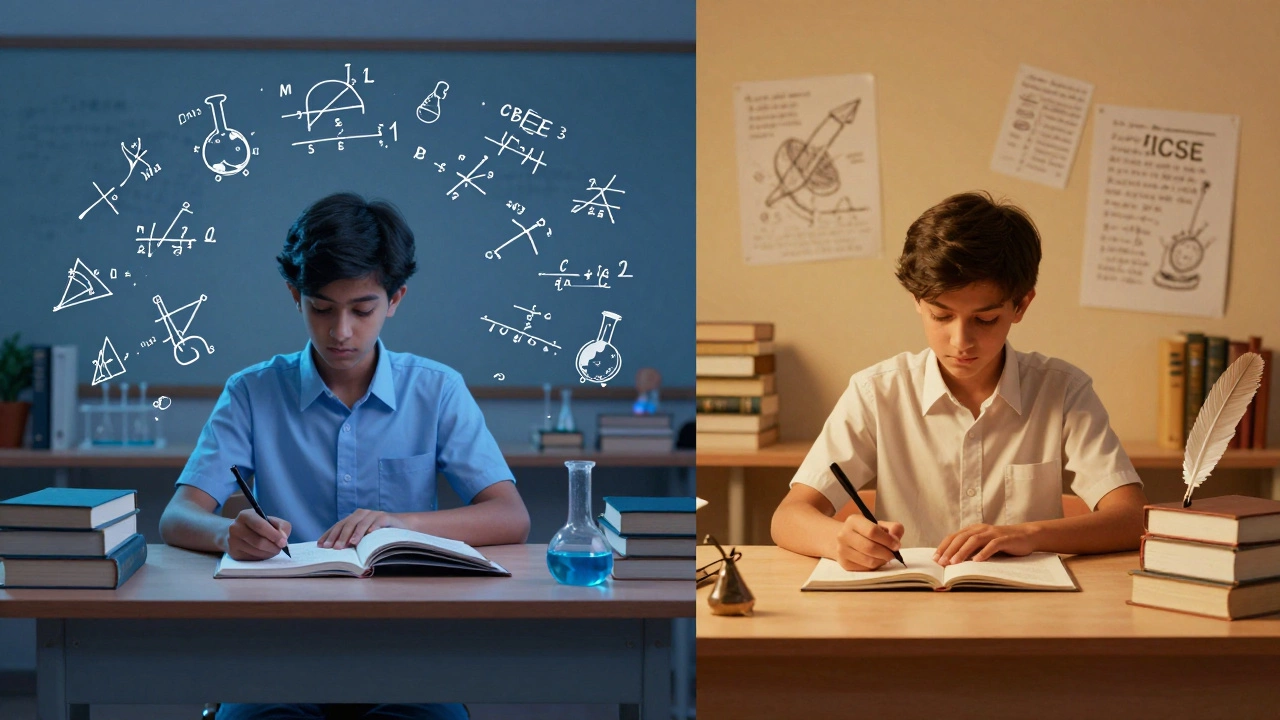
In contrast, the Indian Certificate of Secondary Education (ICSE), administered by the Council for the Indian School Certificate Examinations (CISCE), is known for its detailed, literature-heavy approach. ICSE emphasizes descriptive answers, extensive reading, and language proficiency. It is often preferred by families aiming for liberal arts degrees or those who value a broader humanities foundation.
DPS, however, targets a different demographic. Many parents choose DPS specifically because its curriculum aligns perfectly with the National Testing Agency (NTA) exams. Subjects like Physics, Chemistry, and Mathematics (PCM) are taught with a rigour that mirrors the questions found in JEE Main and NEET. The CBSE pattern allows for more objective-type questions and concise answers, which suits the fast-paced preparation style required for engineering and medical entrance tests.
Key Differences: CBSE vs. ICSE in Practice
Knowing that DPS is CBSE-only doesn't tell you what that means for your child's day-to-day life. Here is how the two boards differ in practice, particularly regarding the subjects most students care about.
| Feature | CBSE (Used by DPS) | ICSE (Not used by DPS) |
|---|---|---|
| Focus Area | Science, Math, Competitive Exams | Literature, Languages, General Knowledge |
| Exam Pattern | Mix of objective and subjective; concise answers | Predominantly subjective; long descriptive answers |
| Subject Depth | Broad coverage, less detail per topic | In-depth study, higher volume of content |
| Language Requirements | English + One Indian Language | English + Two Additional Languages (often) |
| Internal Assessment | d>Significant weightage (20-30%) | Lower weightage compared to final exams |
For a student at DPS, this means less time spent memorizing lengthy literary passages and more time solving numerical problems. The internal assessment component in CBSE has also increased in recent years, reducing the stress of the final board exams. In ICSE, the final written exam carries significantly more weight, creating a "do or die" atmosphere in Class 10 and 12.
The Impact on Career Pathways
Your choice of board often predicts your undergraduate destination. Because DPS follows the CBSE syllabus, its graduates are heavily represented in top engineering institutes like the Indian Institutes of Technology (IITs) and National Institutes of Technology (NITs). The curriculum’s alignment with JEE and NEET syllabi means that students can start their entrance exam preparation as early as Class 9 or 10 without missing out on school topics.
If your goal is medicine, law, or commerce, CBSE remains a strong choice. However, if you are leaning towards creative writing, journalism, or foreign languages, the ICSE board’s emphasis on communication skills might feel more nurturing. That said, many DPS alumni have succeeded in these fields by supplementing their CBSE education with extracurricular activities, debate clubs, and public speaking events.
It is also worth noting that universities outside India recognize both boards equally. For admissions to the UK, US, Canada, or Australia, neither CBSE nor ICSE holds an inherent advantage. Admissions officers look at grades, standardized test scores (like SAT or ACT), and holistic profiles. Therefore, the board choice should primarily reflect your immediate academic needs rather than long-term global mobility.
Common Misconceptions About DPS Affiliations
Confusion arises because the name "Delhi Public School" is so iconic that other institutions try to piggyback on its reputation. You might encounter schools named "Public School" or "Delhi Model School" that are actually affiliated with ICSE or state boards. These are entirely separate entities.
Another misconception is that DPS campuses in different cities might have autonomy to choose their board. They do not. The Delhi Public Schools Society maintains strict control over academic standards. Even international branches, while sometimes offering IB diplomas alongside local curricula, always retain the core CBSE structure for their Indian expatriate students to ensure continuity upon return to India.
If you are considering a school that claims to be DPS but offers ICSE, verify its registration number on the official DPS website. Legitimate branches will list their affiliation code clearly. Any deviation from the CBSE model indicates a lack of official ties to the society.
How to Verify Your Child’s Board Affiliation
Before enrolling, take these steps to confirm the curriculum:
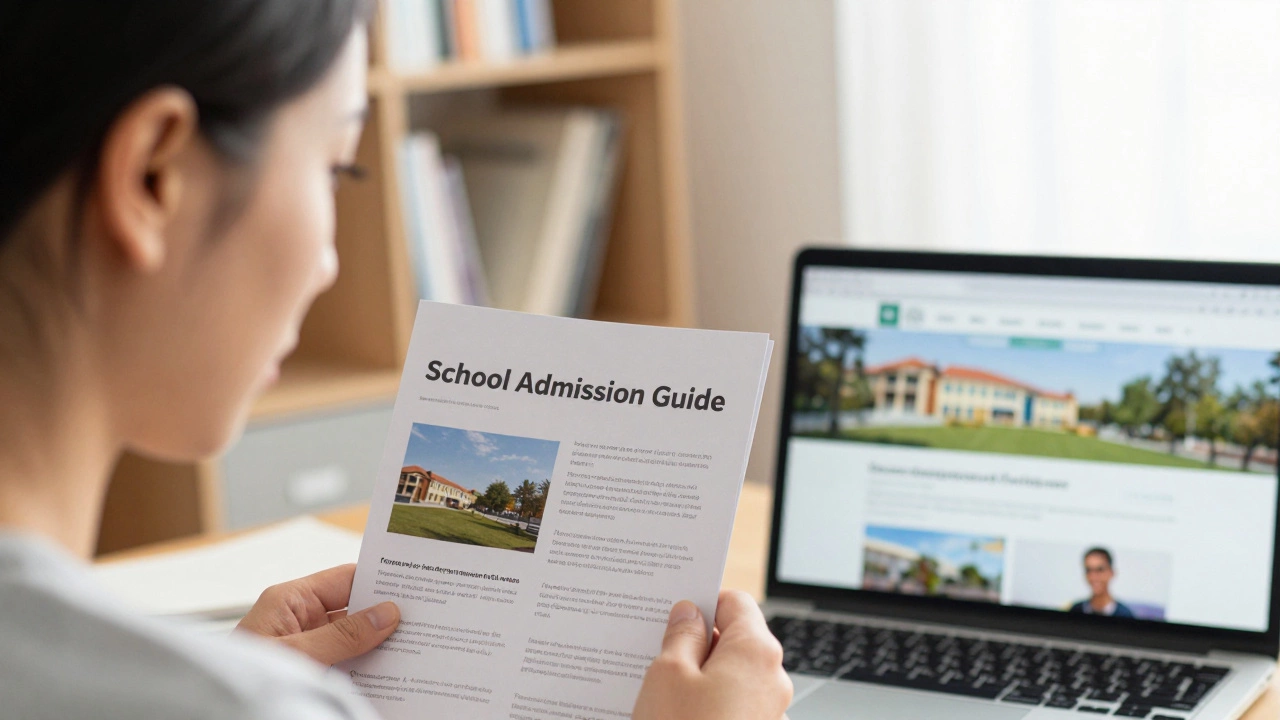
- Check the Official Website: Visit the specific DPS branch’s website. Look for the "Academics" or "Curriculum" section. It will explicitly state "Affiliated to CBSE."
- Review the Sample Papers: Ask the school administration for previous years' question papers. CBSE papers feature multiple-choice questions and short-answer formats. ICSE papers are predominantly essay-based.
- Contact the Academic Coordinator: Speak directly with the principal or academic head. Ask them to explain how they integrate NCERT textbooks into their teaching plan. NCERT is the backbone of CBSE.
- Verify with CISCE or CBSE: Cross-check the school’s affiliation status on the respective board’s official portal. CBSE publishes a list of all affiliated schools online.
Transparency is key. Reputable schools welcome these questions. If a school hesitates or provides vague answers, consider it a red flag.
Alternatives if You Prefer ICSE
If, after understanding the CBSE focus, you decide that the ICSE curriculum better suits your child’s learning style, there are excellent alternatives. Schools like La Martiniere, St. Joseph’s, and various Convent schools offer robust ICSE programs. These institutions often pride themselves on smaller class sizes and a more personalized approach to humanities and languages.
However, remember that switching boards later is challenging. If you choose an ICSE school now, be prepared to commit to that path through high school. The gap between ICSE and CBSE widens significantly in senior secondary classes, making it hard to switch back if you change your mind.
Does any DPS branch offer ICSE?
No. All legitimate branches of the Delhi Public Schools Society are affiliated exclusively with the Central Board of Secondary Education (CBSE). There are no ICSE-affiliated DPS campuses.
Is the CBSE syllabus easier than ICSE?
"Easier" is subjective. CBSE is generally considered less voluminous in terms of content to memorize, especially in languages and social sciences. However, it requires strong conceptual clarity in science and math. ICSE demands greater effort in descriptive writing and language proficiency.
Can I switch from CBSE to ICSE after Class 10?
Technically yes, but it is academically risky. The syllabus depth differs significantly, particularly in English and Science. Students often struggle to catch up with ICSE’s detailed requirements in Class 11 and 12, potentially affecting their board scores.
Do foreign universities prefer ICSE over CBSE?
No. Universities in the US, UK, Canada, and Australia treat both boards equally. They evaluate applicants based on percentage/grade points, standardized tests (SAT/ACT), essays, and extracurricular achievements, not the board itself.
Why is DPS so popular among engineering aspirants?
Because the CBSE curriculum closely aligns with the JEE and NEET syllabi. DPS schools often integrate competitive exam coaching into their regular teaching schedule, allowing students to prepare for entrance tests without external tuition.