Government Job Odds Calculator
This tool estimates your chances based on the article's data about government job competition. Remember: your actual odds depend on your qualifications and preparation.
Getting a government job sounds like a safe bet-steady pay, good benefits, job security. But here’s the truth: in most countries, you’re competing with hundreds or even thousands of people for a single opening. It’s not impossible, but it’s not easy either. The odds depend on where you live, what job you’re applying for, and how prepared you are. If you’re wondering whether it’s worth the effort, the answer isn’t a simple yes or no. It’s about understanding the game and playing it smart.
What Are the Real Odds?
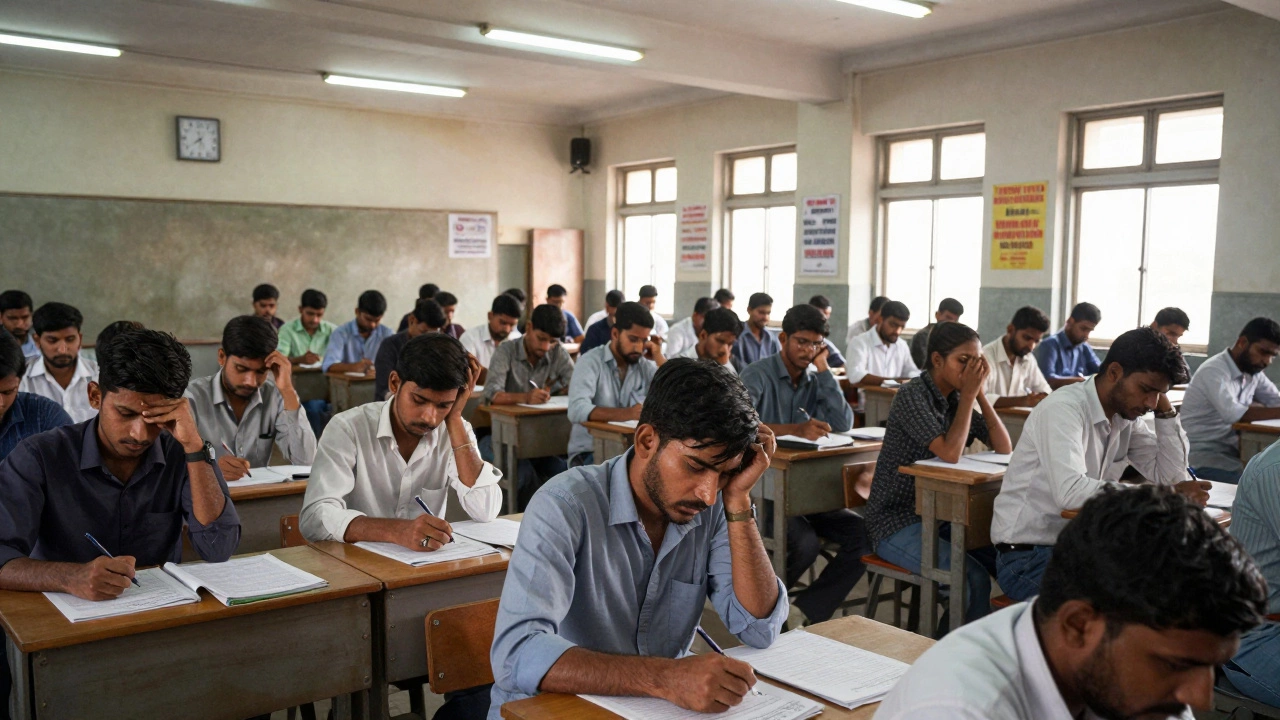
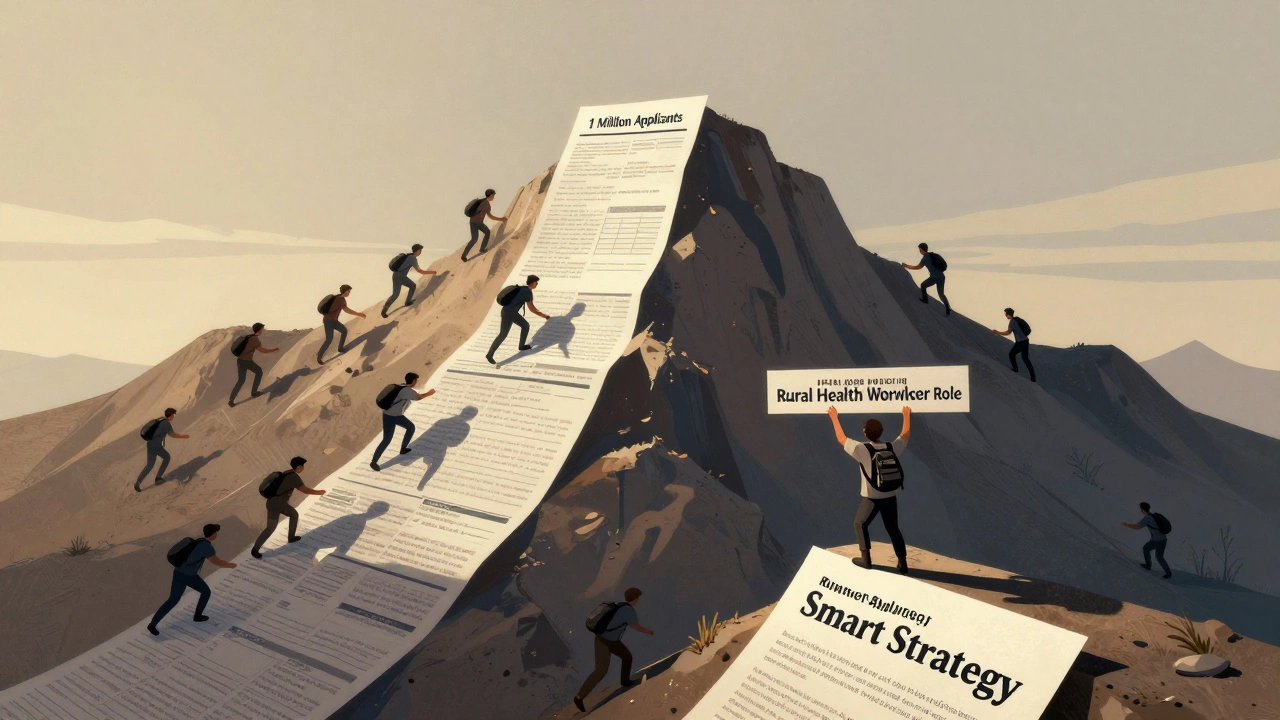
In India, for example, a single clerk position in a state government department can attract over 1 million applicants. The selection rate? Often less than 0.1%. In the United States, federal government jobs through USAJobs.gov see an average of 80 to 120 applicants per posting, with some roles drawing over 500. In Canada, public service exams for entry-level roles see success rates between 5% and 15%, depending on the department and location.
These numbers aren’t just statistics-they reflect a pattern. Government jobs are popular because they offer stability. No layoffs during economic downturns. Pension plans. Paid leave. Health coverage. That’s why people from all backgrounds apply, even if they’re not qualified. The competition isn’t just with other applicants-it’s with the perception that this is your only shot at security.
But here’s what most people miss: not all government jobs are equally competitive. A rural health worker position in a remote area might get 50 applicants. A city-based IT specialist role in the national tax department? That could get 3,000. The key is targeting the right roles.
What Jobs Are Easier to Get?
Not all government positions are created equal. Some have far lower competition because they’re less desirable-or harder to qualify for. These are often the ones you should consider first.
- Entry-level clerical roles in rural or remote areas-these often go unfilled because applicants don’t want to relocate.
- Technical support roles in public utilities-like water, electricity, or waste management. These require specific certifications, not just degrees.
- Field officers for agriculture or public health-in countries like India, Nigeria, or Brazil, these roles are critical but under-applied for due to demanding work conditions.
- Contract or temporary positions-many governments hire on short-term contracts first. These often turn into permanent roles if you perform well.
Look beyond the big names. Don’t just chase the “top” government jobs. Look for the ones nobody else is applying for. The less glamorous the title, the better your odds.
What Skills and Qualifications Actually Matter?
Most people think they need a top university degree to land a government job. That’s not true. What matters more is meeting the minimum requirements and passing the test.
In the UK, for example, many civil service roles only require GCSEs in English and Math. In Australia, you can enter the public service with a Certificate III and pass a basic aptitude test. In the U.S., many federal jobs only require a high school diploma plus relevant experience.
Here’s what actually gets you hired:
- Passing the written exam-this is the biggest filter. Most candidates are eliminated here.
- Clear, concise application forms-government applications are rigid. If you don’t answer exactly what they ask, you’re out.
- Interview performance-they want reliability, not charisma. Answer questions directly. Show you understand the job’s responsibilities.
- Background checks-a clean record matters more than you think. Even minor offenses can disqualify you.
Forget fancy resumes. Government hiring is about compliance, not creativity. If you follow the rules, you’re already ahead of 60% of applicants.
How to Prepare for the Exam (Without Burning Out)
Exams for government jobs are usually multiple-choice and cover basic subjects: math, reasoning, English, and general knowledge. But they’re designed to be tricky. Speed and accuracy matter more than depth.
Here’s how to prepare effectively:
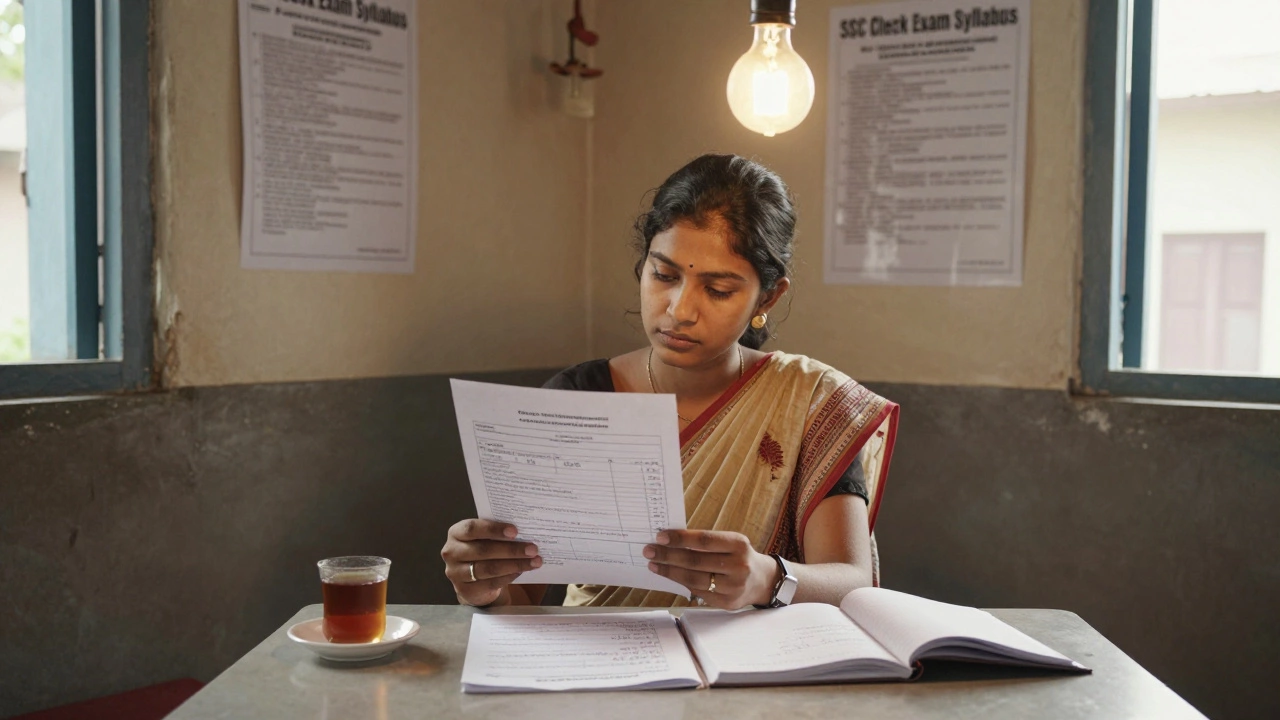
- Find the exact syllabus-don’t guess. Go to the official job posting and copy the topics word-for-word.
- Practice with past papers-most governments release previous exams. Use them. Do at least 5 full tests under timed conditions.
- Focus on weak areas-if you struggle with math, spend 30 minutes a day on basic arithmetic and percentages. That’s more useful than reading 100 pages of history.
- Learn the format-many exams have negative marking. Don’t guess randomly. Skip questions you’re unsure of.
- Study in short bursts-30 minutes a day, 5 days a week, for 3 months beats 10 hours in one weekend.
There’s no magic shortcut. But consistent, focused preparation gives you a real edge. People who study for 2-3 months consistently outperform those who cram for two weeks.
Where to Find Opportunities (Without Paying for Scams)
There are thousands of government job portals. But not all are trustworthy. Stick to official sources only.
- United States: usa.gov/jobs
- United Kingdom: civilservicejobs.service.gov.uk
- Canada: jobs.gc.ca
- India: ssc.nic.in, upsc.gov.in
- Australia: jobsearch.gov.au
- New Zealand: publicservice.govt.nz
Never pay for job alerts or “guaranteed placement” services. Legitimate government jobs are always free to apply for. If a website asks for money, it’s a scam.
Set up job alerts on these sites. Check them once a week. Apply immediately when something matches your qualifications. Delays cost you.
What to Do If You Don’t Get In-Right Away
Most people don’t land a government job on the first try. That’s normal. The key is to keep moving forward.
If you fail an exam:
- Review your score report-most agencies tell you which sections you scored lowest in. Focus there next time.
- Apply for contract or temporary roles-working in a government office, even for 6 months, gives you insider knowledge and an edge when you reapply.
- Build relevant skills-take free online courses in office software, data entry, or public administration. Add them to your resume.
- Network quietly-talk to people who work in government. Ask how they got started. Most are happy to help.
Every failed attempt teaches you something. The people who eventually succeed aren’t the smartest-they’re the ones who kept trying.
Is It Worth It?
Let’s be honest: government jobs aren’t glamorous. The pay isn’t always high. The work can be bureaucratic. But for millions of people, they’re the only path to long-term stability.
If you value security over speed, if you’re willing to wait and work steadily, then yes-it’s worth it. The odds are low, but they’re not zero. And with the right strategy, you can move from the 99% who fail to the 1% who succeed.
Start today. Find one job posting. Read the requirements. Download the last exam paper. Spend 30 minutes on it. That’s all it takes to begin.
How long does it take to get a government job after applying?
The timeline varies. For entry-level roles, it can take 3 to 8 months from application to offer. Higher-level positions or those requiring security clearance can take over a year. Most delays come from backlogs, not your application. Stay patient and check your email regularly-many notifications are sent by email, not mail.
Do I need a college degree to get a government job?
No, not always. Many roles only require a high school diploma or equivalent. In fact, over 40% of entry-level government jobs in the U.S. and Canada don’t require a degree. What matters is meeting the specific qualifications listed in the job posting. Focus on those, not on whether you have a degree.
Can I apply for government jobs in another country?
Usually, no. Most government jobs require citizenship or permanent residency. Some countries, like Canada and Australia, allow permanent residents to apply for certain roles. But non-residents rarely qualify. If you’re not a citizen, focus on private sector jobs or international organizations like the UN or WHO.
Are government jobs better than private sector jobs?
It depends on what you want. Government jobs offer stability, benefits, and predictable hours. Private sector jobs often pay more, offer faster promotions, and have more variety. But they also come with higher risk-layoffs, changing policies, less job security. Choose based on your life goals, not what sounds safer.
What’s the most common reason people fail government job exams?
The biggest reason is poor time management during the exam. Many candidates spend too long on hard questions and run out of time. Others guess randomly because they’re afraid to leave blanks. The best strategy is to answer what you know first, skip the rest, and return if time allows. Also, many applicants don’t study the right material-they use outdated books or guess the syllabus.