What Does CBSE Stand For? Meaning, Role & Syllabus Explained
Discover what CBSE means, its role in Indian education, syllabus details, board comparison, and tips for students aiming for NEET or JEE.
When people talk about CBSE, the Central Board of Secondary Education, India’s largest national education board that oversees schooling for millions of students from Class 1 to 12. Also known as Central Board of Secondary Education, it’s the system most Indian families rely on for structured, exam-focused learning that leads directly to competitive exams like JEE and NEET. It’s not just a name on a report card—it’s the backbone of how over 20,000 schools across India and abroad teach science, math, and social studies.
CBSE doesn’t just set syllabi. It designs the national curriculum that shapes how students learn from elementary school through high school. Unlike state boards that vary by region, CBSE keeps things uniform, so a student in Delhi and one in Kerala study the same core content. That’s why colleges and coaching centers across India treat CBSE results as a standard benchmark. If you’re aiming for engineering or medicine, CBSE is often the preferred path because its syllabus aligns directly with JEE and NEET patterns. The board also runs the Class 10 and Class 12 board exams, which are taken by over 2 million students every year. These aren’t just school tests—they’re gatekeepers to top colleges and scholarships.
CBSE isn’t the only option. Many families compare it to ICSE, the Indian Certificate of Secondary Education, a more detailed, language-heavy board often chosen for its broader curriculum and focus on English. But CBSE wins in simplicity and exam readiness. While ICSE might dive deeper into literature and project work, CBSE keeps things streamlined for high-stakes testing. If your goal is to crack a national entrance exam, CBSE gives you the exact kind of practice you need. And because CBSE schools are everywhere—from small towns to big cities—it’s easier to find coaching, study materials, and peer support.
It’s not just about what’s taught—it’s about how it’s tested. CBSE exams are predictable. They follow patterns. They reward clarity over creativity. That’s why students who grow up with CBSE learn to master the formula, memorize key definitions, and manage time under pressure. These are skills that matter in real exams like JEE, NEET, and even government job tests. You won’t find many open-ended questions here. Instead, you’ll see short answers, multiple-choice, and numerical problems—all designed to test understanding, not just memory.
Parents often ask: Is CBSE better than other boards? The answer depends on your child’s goals. If they want to study in India’s top engineering or medical colleges, CBSE is the safest bet. If they’re aiming for international universities, ICSE or IB might offer more flexibility. But for most families in India, CBSE is the default—and for good reason. It’s reliable, widely accepted, and built for results.
Below, you’ll find real stories and practical guides that break down what CBSE really means for students today—from how to prepare for Class 12 exams, to why so many top JEE scorers come from CBSE schools, to how CBSE compares with other boards when applying abroad. Whether you’re a student, parent, or teacher, this collection gives you the facts you need to make smarter choices.
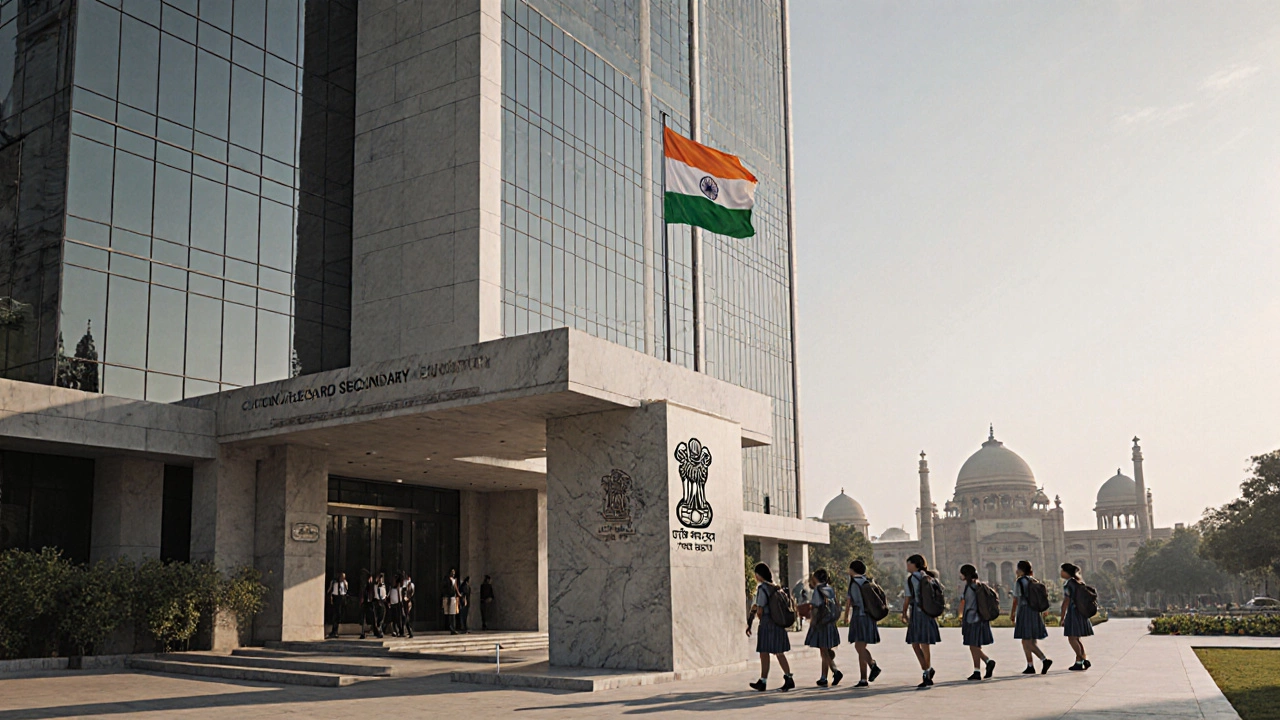
Discover what CBSE means, its role in Indian education, syllabus details, board comparison, and tips for students aiming for NEET or JEE.