What Are the 5 eLearning Models Used Today?
Discover the five core eLearning models used today-ADDIE, SAM, Bloom’s Taxonomy, Gagne’s Nine Events, and ARCS-and learn how to choose the right one for your course design needs.
When you open Duolingo, join a Google Classroom, or take a NEET course online, you’re using an eLearning framework, a structured system that organizes how digital content is delivered, tracked, and interacted with in education. Also known as a learning management system, it’s not just a website or app—it’s the engine behind the experience. Without these frameworks, online learning would be messy: assignments lost, progress untracked, feedback delayed. But with them, students in small towns can follow the same NEET prep path as those in Delhi, and teachers can assign work without printing a single page.
eLearning frameworks include tools like Google Classroom, a free platform used by thousands of Indian schools to manage assignments, grades, and communication, and platforms like Udemy or BYJU’S that bundle video lessons, quizzes, and progress dashboards. These systems aren’t just about hosting videos—they’re built to measure engagement, adapt pacing, and even nudge students when they fall behind. That’s why some students finish a coding course in weeks while others struggle for months: the framework’s design affects how well they learn.
Not all frameworks are equal. Some are built for schools, like Google’s suite, which focuses on collaboration and simplicity. Others, like those used for JEE or UPSC prep, are built for high-stakes testing: timed drills, performance analytics, and instant feedback. Then there are apps like Duolingo, which use gamified micro-lessons to keep users coming back—but they lack deep structure for real fluency. The best frameworks balance structure with flexibility, letting learners move at their own pace while still guiding them toward clear goals.
What’s missing in many Indian eLearning setups? Personalization. Most platforms treat all students the same. But the top performers—like the JEE Rank 1 or MBA grads landing $300K jobs—use frameworks smartly. They combine free tools like Google Docs with spaced repetition apps, habit trackers, and peer study groups. They don’t just consume content; they build their own learning ecosystem around it.
Below, you’ll find real examples of how these frameworks work—or don’t—in everyday learning. From why schools are leaving Google to how coding classes succeed (or fail) based on their design, each post cuts through the hype. You’ll see what actually moves the needle in online education, not just what sounds good on a brochure.
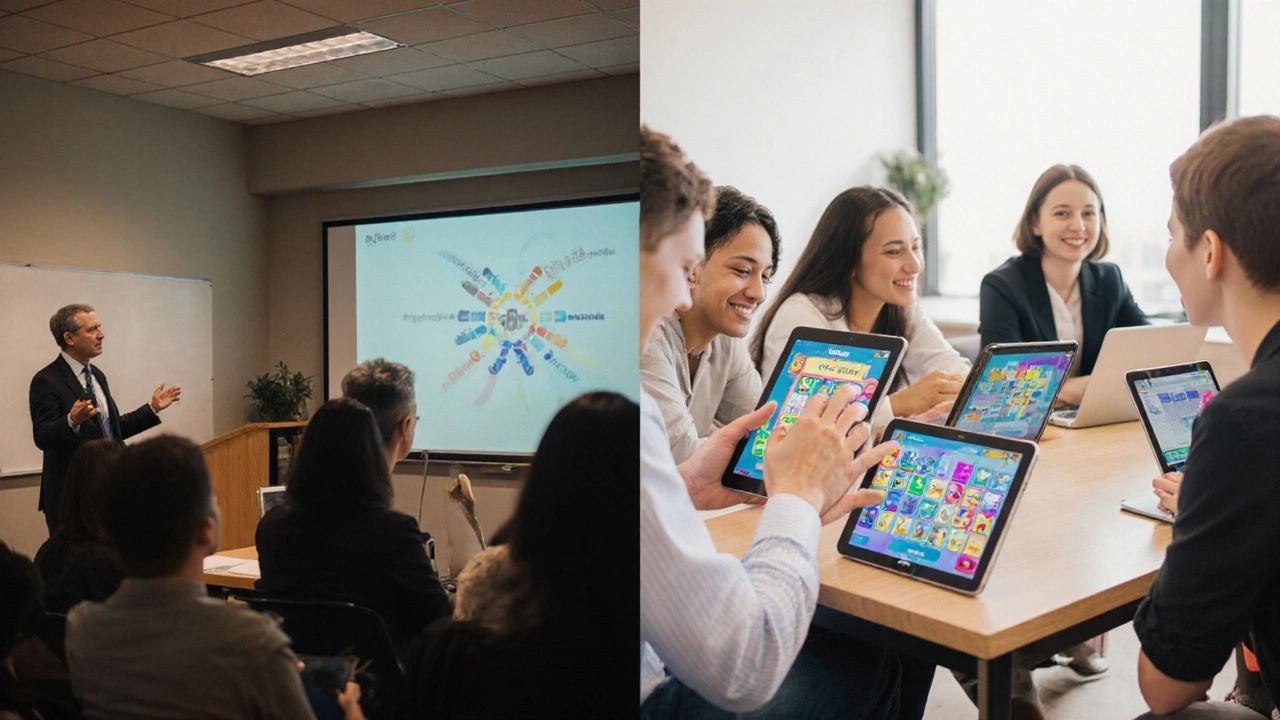
Discover the five core eLearning models used today-ADDIE, SAM, Bloom’s Taxonomy, Gagne’s Nine Events, and ARCS-and learn how to choose the right one for your course design needs.