What Are the 5 eLearning Models Used Today?
Discover the five core eLearning models used today-ADDIE, SAM, Bloom’s Taxonomy, Gagne’s Nine Events, and ARCS-and learn how to choose the right one for your course design needs.
When we talk about eLearning models, structured ways of delivering education digitally, often using platforms like Google Classroom or specialized apps. Also known as digital learning frameworks, these models define how content is delivered, how students interact, and whether learning happens alone or together. In India, where internet access is growing fast but not always reliable, not all eLearning models work the same. Some are built for busy students juggling school and part-time jobs. Others are made for teachers who need simple tools to assign homework without training.
One common model is the self-paced learning, where students move through lessons on their own time, often using apps like Duolingo or YouTube tutorials. This works well for people who need flexibility, but it doesn’t help if you need feedback or someone to keep you on track. Another is the blended learning, a mix of online lessons and in-person classes, used by many CBSE and ICSE schools switching from Google Workspace to other platforms. This model gives structure while still using digital tools for assignments and quizzes. Then there’s the synchronous learning, live online classes where students and teachers meet at the same time, often through Google Meet or Zoom. This is common in coaching centers preparing students for JEE or NEET, where real-time doubt-solving matters more than recorded videos. These aren’t just tech terms—they’re real choices that affect how much you actually learn.
What you find in the posts below isn’t a list of fancy tools. It’s a look at what’s actually working on the ground. You’ll see how a student in Lucknow uses Google Classroom to keep up with school after a power cut. How someone in Hyderabad got a coding job without a degree by following a simple eLearning course. Why some schools are leaving Google—not because it’s bad, but because it doesn’t fit their needs. And how Duolingo, while free, might be holding you back from real fluency if you rely on it alone.
There’s no one-size-fits-all model. The best one for you depends on your goals, your schedule, and what kind of support you need. Whether you’re a parent choosing a course for your child, a teacher setting up online classes, or a student trying to land a high-paying job after a vocational program, the right eLearning model can make all the difference. Below, you’ll find real stories, real data, and real advice—not theory, not marketing. Just what works in India today.
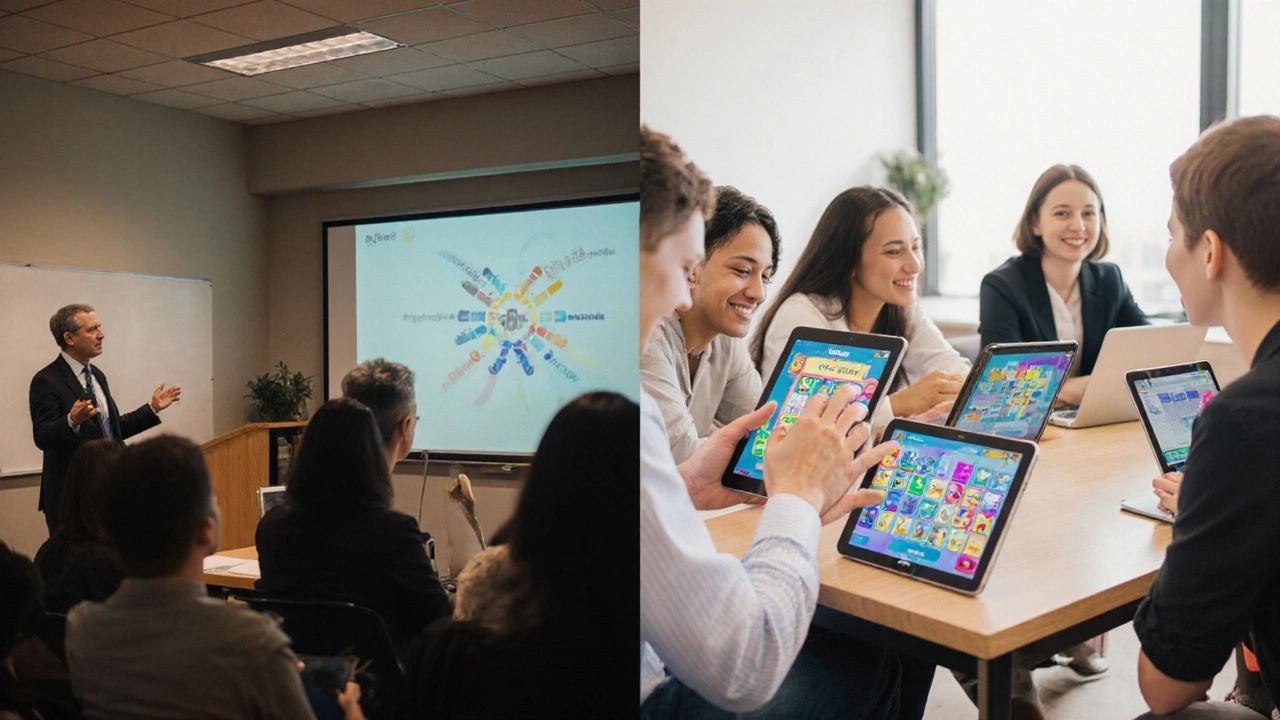
Discover the five core eLearning models used today-ADDIE, SAM, Bloom’s Taxonomy, Gagne’s Nine Events, and ARCS-and learn how to choose the right one for your course design needs.