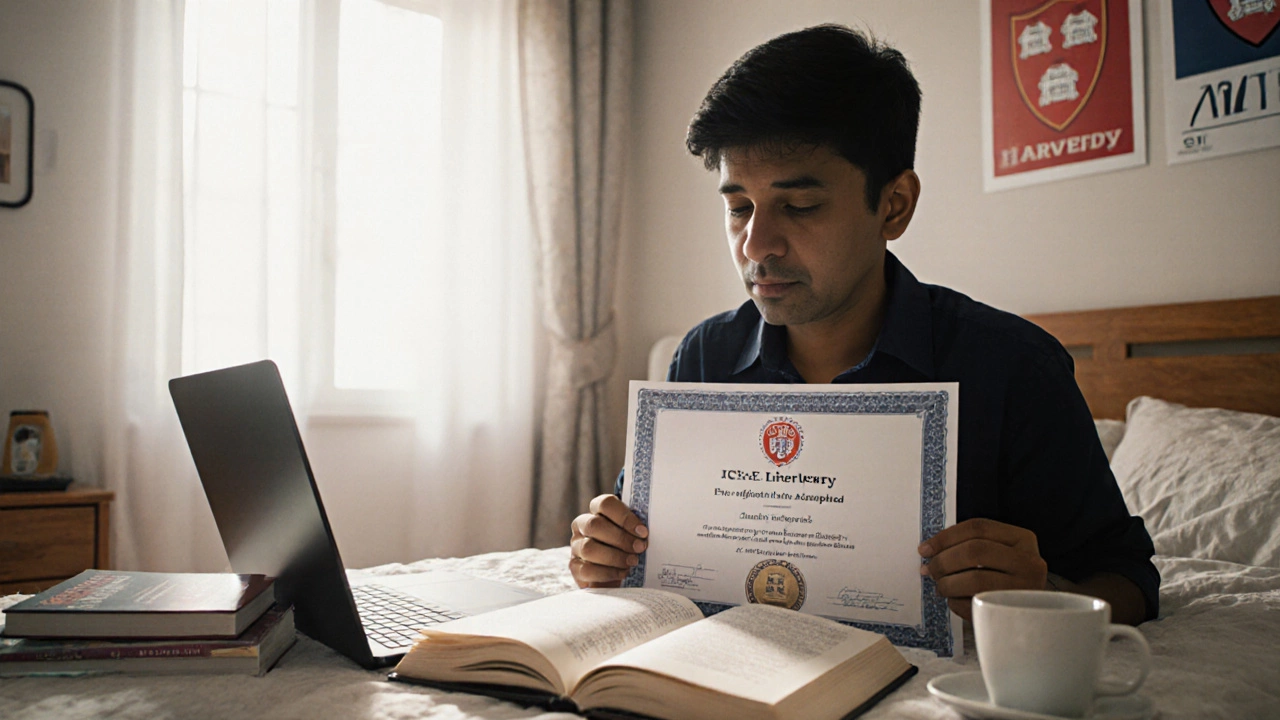
ICSE for US Colleges: Can Indian ICSE Students Get Into Top US Universities?
When it comes to applying to US colleges, ICSE, the Indian Certificate of Secondary Education, a nationally recognized school board in India known for its rigorous English curriculum and emphasis on critical thinking. Also known as Council for the Indian School Certificate Examinations, it’s a curriculum that many Indian families choose for its balanced focus on languages, sciences, and humanities. Unlike CBSE, which leans heavily toward rote learning and STEM, ICSE pushes students to write essays, analyze literature, and engage with global perspectives — skills US colleges actually reward.
US universities don’t have a list of approved Indian boards. They don’t care if you’re ICSE, CBSE, or state board — they care about what you did with your education. But here’s the catch: ICSE students often come in with stronger writing skills, deeper reading habits, and more experience with project-based learning. That’s not luck. It’s built into the syllabus. A 2023 report from the Association of American Colleges & Universities found that admissions officers at top 50 US schools rated communication skills and analytical writing as more important than standardized test scores. ICSE’s English-heavy curriculum gives students a real edge here.
Still, ICSE alone won’t get you into Stanford or MIT. US colleges look at the full picture: your grades, extracurriculars, recommendation letters, personal essays, and test scores like the SAT or ACT. If you’re ICSE, you need to make sure your transcript shows consistent high performance — especially in math and science, since US schools expect strong STEM foundations. Many ICSE students take SAT Subject Tests (though they’re now optional) or AP exams to prove they can handle college-level work. Some even enroll in online courses through Coursera or edX to fill gaps. It’s not about switching boards — it’s about showing you’re ready to thrive in a US classroom.
What about the competition? Indian students from CBSE often score higher on the JEE or NEET, but US colleges don’t use those exams. They’re looking for well-rounded applicants. An ICSE student who runs a community literacy project, volunteers at a local clinic, and writes poetry in their free time stands out just as much — if not more — than someone with a perfect JEE rank. US admissions are about character, curiosity, and initiative. ICSE doesn’t just prepare you for exams — it prepares you for life.
And if you’re worried about how your ICSE grades convert to a 4.0 GPA? Don’t be. US colleges have experienced admissions officers who understand international systems. They don’t just look at numbers — they read your school profile, know your curriculum’s rigor, and evaluate you in context. A B+ in ICSE Chemistry might be harder than an A in a less demanding system. That’s why your counselor’s letter matters. It tells them what your grades really mean.
So yes — ICSE works for US colleges. In fact, it might give you a subtle but real advantage. You’re not just a test-taker. You’re a thinker. You’ve read Shakespeare and written research papers since grade 9. You’ve debated ethics in class. You’ve learned to explain your ideas clearly. That’s exactly what US universities want. The question isn’t whether ICSE is accepted. It’s whether you’ve used it to become someone worth admitting.
Below, you’ll find real stories, advice from admitted students, and breakdowns of what US schools actually look for when they see ICSE on an application.