The History of Distance Learning: When It Began and How It Evolved
Explore the origins of distance learning from 1840 correspondence courses to modern MOOCs, covering key milestones, technology shifts, and lasting impacts.
When we talk about online education, a system of learning delivered through digital platforms instead of physical classrooms. Also known as eLearning, it’s not just Zoom classes and PDFs—it’s the result of decades of tech shifts, teacher experiments, and student needs pushing education beyond walls. The first real online courses didn’t start with fancy apps or AI tutors. They began in the 1980s with floppy disks and dial-up connections, when universities sent course materials to students via email or bulletin boards. By the late 1990s, platforms like Blackboard and Moodle turned those scattered files into structured courses you could log into from home. But it wasn’t until smartphones and high-speed internet became common that online education truly took off.
What made it stick wasn’t just better tech—it was necessity. When schools closed during the pandemic, millions of teachers scrambled to use Google Classroom, a free tool from Google that lets teachers assign work, track progress, and hold video lessons without buying new software. Suddenly, even schools that never used tech before were running full digital classrooms. And students? They learned they could learn from their bedrooms, their phones, even their grandparents’ living rooms. That shift didn’t disappear when schools reopened. Parents started asking: Why do we need to drive across town for tutoring if a video lesson works just as well? Employers began hiring based on skills learned online, not degrees from brick-and-mortar schools.
Today, digital education, the broader term covering all tech-powered learning, from MOOCs to mobile apps. Also known as virtual classroom, it’s no longer a backup plan—it’s a choice. You can learn coding from a free YouTube series, prep for NEET with a live online coaching session, or earn an MBA through a platform that lets you study at 2 a.m. while your kid sleeps. The tools have changed, but the core idea hasn’t: education should meet you where you are, not force you to go where it’s offered.
What you’ll find below isn’t a history lesson. It’s a real look at how online learning works today—what tools actually help, which platforms are fading, and how people are using them to get ahead. From Duolingo’s free English lessons to why some schools are ditching Google, these posts cut through the noise and show you what’s working—and what’s not. No fluff. No hype. Just what you need to know if you’re learning, teaching, or just trying to make sense of the digital classroom.
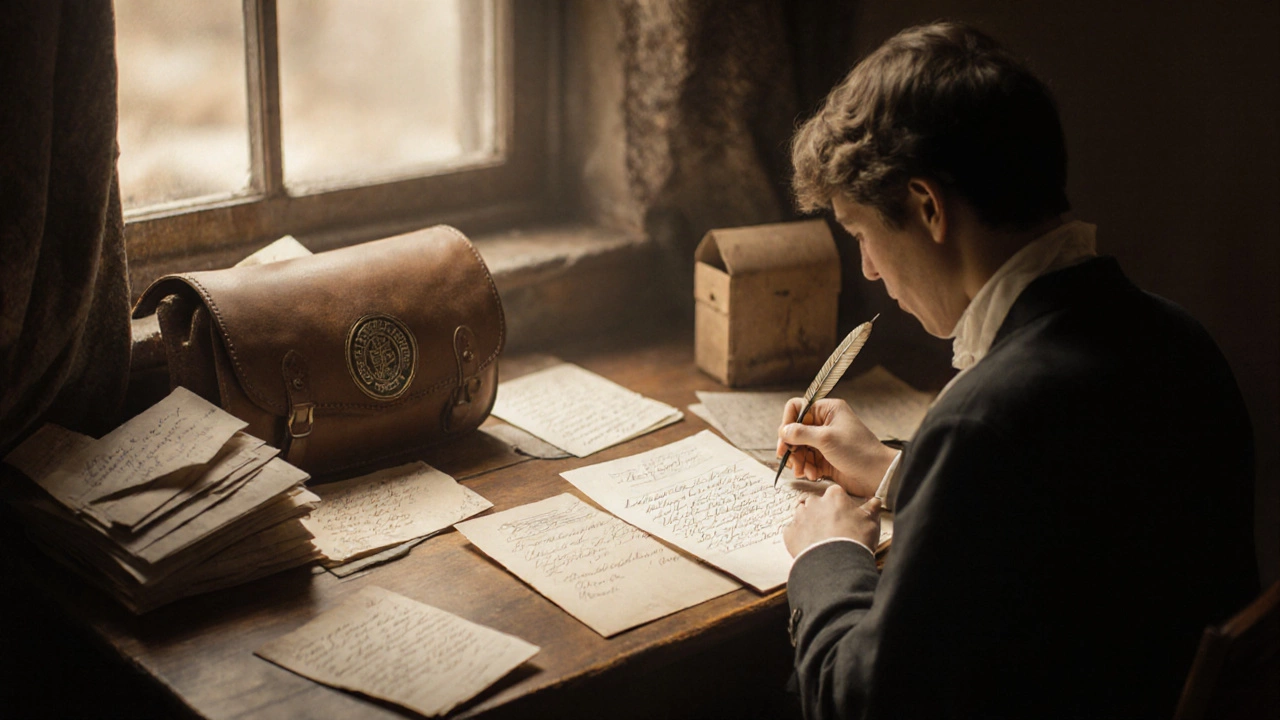
Explore the origins of distance learning from 1840 correspondence courses to modern MOOCs, covering key milestones, technology shifts, and lasting impacts.