Online Learning Platforms: What Works, What Doesn’t, and Where to Start
When you think of online learning platforms, digital tools that deliver education over the internet, often without a physical classroom. Also known as e-learning tools, they’re now the backbone of how students in India prepare for JEE, NEET, MBA, and even basic English fluency. But not all of them work the same way. Some feel like games with little real learning. Others give you structure, feedback, and real progress—if you know how to use them.
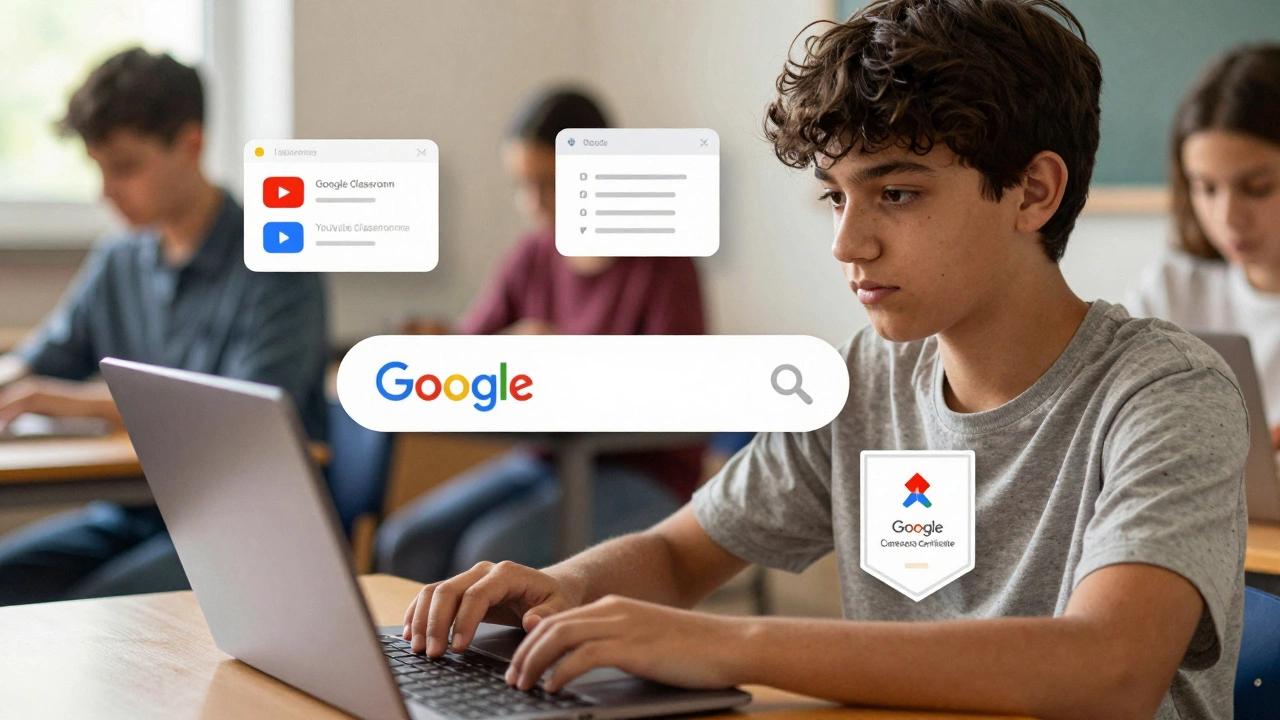
Take Duolingo, a mobile app that teaches languages through short, gamified lessons. Also known as language learning app, it’s free to start, but the real cost comes in hidden limits: no live conversation, no grammar depth, and ads that interrupt your flow. It’s great for daily practice, but not enough to get you fluent. Meanwhile, Google Classroom, a free system schools use to assign work, track progress, and connect with students. Also known as school e-learning platform, it’s not flashy, but it’s trusted by thousands of Indian schools because it just works—no subscription, no lock-in, no gimmicks. These two platforms represent opposite ends of the spectrum: one’s for casual learners, the other for structured education.
Then there are platforms built for specific goals. If you’re aiming for a government job, you’re probably using coaching sites that feel like online tuitions with video lectures and mock tests. If you’re learning to code, you might be on platforms that teach Python or JavaScript with real projects—not just quizzes. And if you’re looking for a high-demand skill without a degree, vocational courses on platforms like Udemy or local Indian providers give you certificates in welding, digital marketing, or data entry in weeks, not years. The key? online learning platforms only help if they match your goal. A language app won’t get you into IIT. A coding bootcamp won’t teach you NEET biology. You need the right tool for the right job.
What’s missing from most people’s routine? Real feedback. Most platforms give you right or wrong answers, but not why. They don’t correct your pronunciation, your code logic, or your essay structure. That’s why top JEE toppers still use books and tutors—even when they watch YouTube lectures. And why MBA grads who use LinkedIn Learning still join networking groups. Technology helps, but human insight still wins.
So where do you start? Look for platforms that let you track progress over time, not just collect streaks. Check if they offer downloadable materials, not just videos. See if others have used them to actually land jobs or pass exams. The best ones don’t promise magic—they give you a path, and then let you walk it.
Below, you’ll find real stories from students who used these tools—some succeeded, some wasted time, and some found exactly what they needed. No fluff. Just what worked, what didn’t, and why.