UPSC: What It Is, How It Works, and What You Need to Know
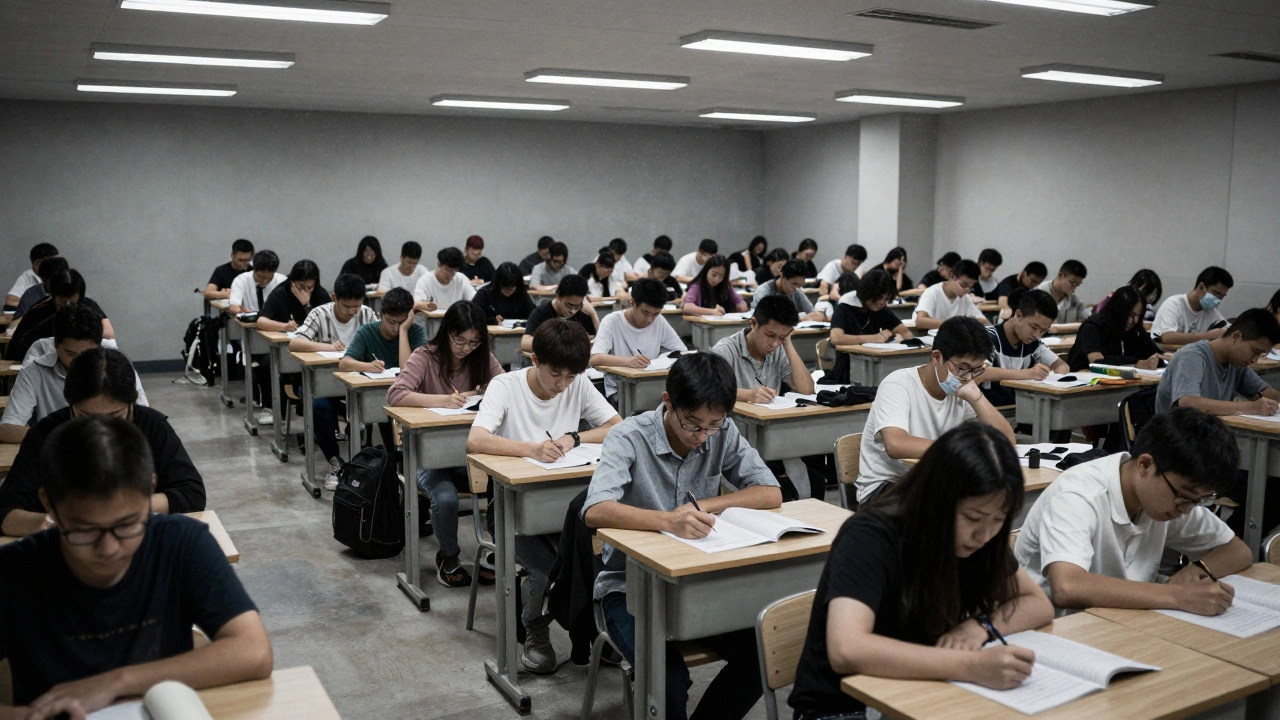
When people talk about the UPSC, India’s Union Public Service Commission, the government body that conducts the Civil Services Examination to select candidates for top administrative roles like IAS, IPS, and IFS. Also known as the Civil Services Exam, it’s the gateway to some of the most respected and influential jobs in the country. This isn’t just another test. It’s a multi-stage marathon that filters out nearly 99% of applicants. Every year, over 10 lakh people apply. Only about 800 make it to the final list. If you’re serious about public service, leadership, or shaping policy, this is the path.
What makes UPSC different from other exams? It doesn’t just test memory. It looks at how you think. The syllabus covers everything from history and geography to economics, ethics, and current affairs. You need to connect dots across subjects — like how a change in farm policy affects rural employment, or how international treaties impact India’s trade. The IAS, Indian Administrative Service, the most sought-after cadre under UPSC, responsible for district administration and policy implementation officers aren’t just bureaucrats — they’re problem solvers on the ground. The UPSC syllabus, a vast, structured outline covering prelims, mains, and interview stages, updated annually to reflect national priorities changes slightly each year, but the core stays the same: depth over speed, analysis over rote.
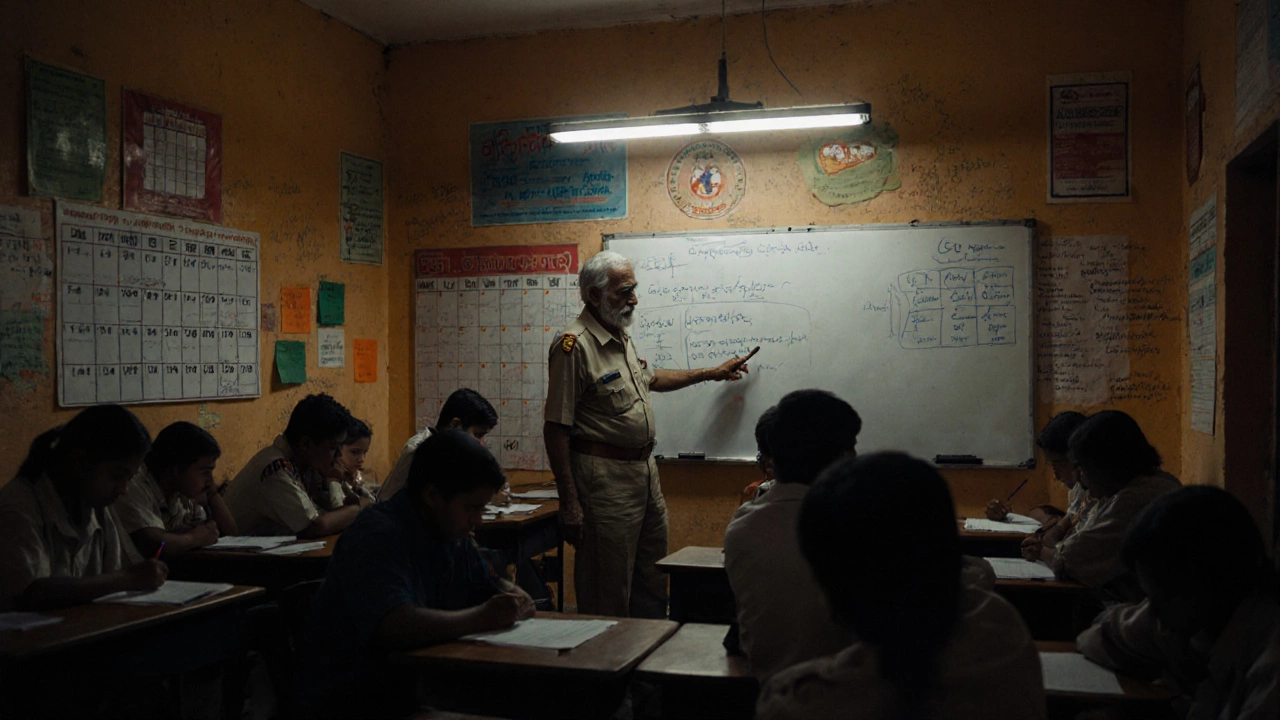
Most aspirants spend a year or two preparing. Some quit after one attempt. Others keep trying for five, six, even ten years. Success doesn’t come from coaching alone — it comes from consistency. The top performers aren’t the ones who memorized the most books. They’re the ones who read newspapers daily, wrote answers regularly, and learned from their mistakes. They understood that the interview isn’t a quiz — it’s a conversation about your values, clarity, and ability to handle pressure.
What you’ll find in the posts below are real stories and practical guides from people who’ve been there. You’ll see how someone cracked UPSC without coaching, what books actually worked, how to manage time between job and prep, and why so many fail the interview even after clearing mains. There’s no magic formula. But there are patterns. And these posts lay them out — no fluff, no hype, just what works.