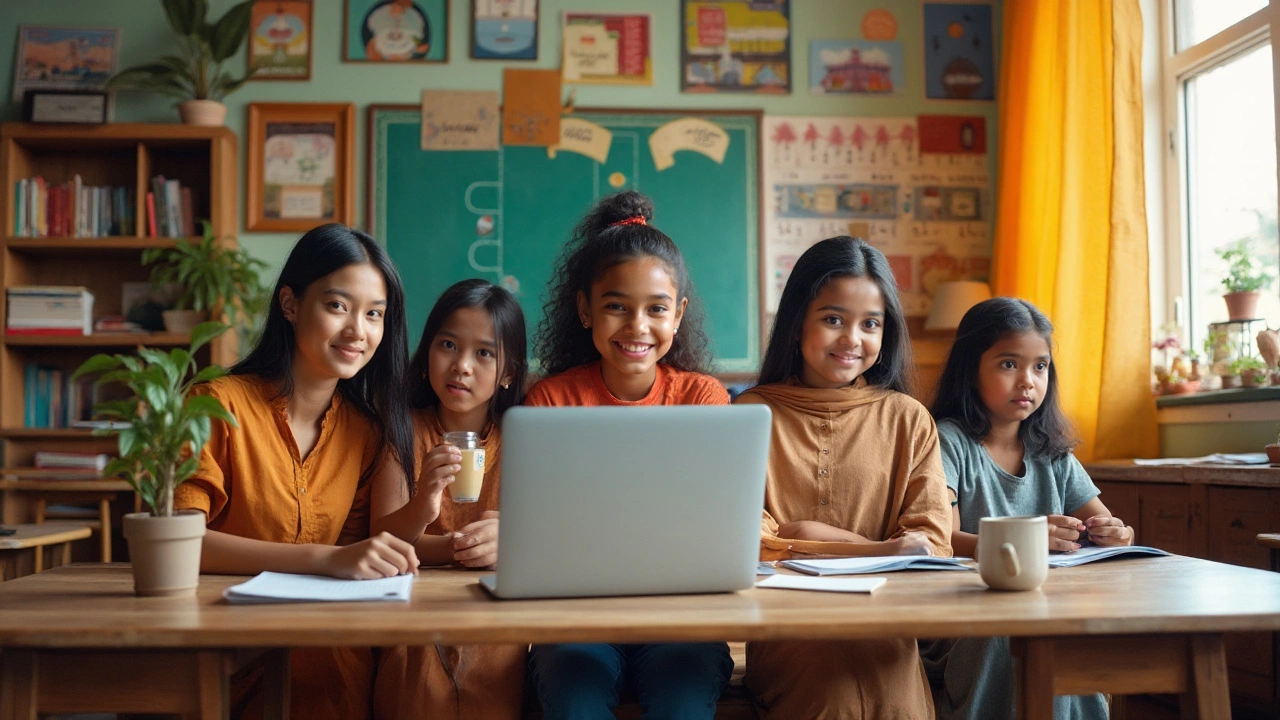
Virtual Classrooms: How Online Learning Works in India Today
When you think of virtual classrooms, a digital space where teachers and students interact in real time using video, chat, and shared materials. Also known as online learning environments, they're no longer just a backup plan—they're a core part of how education happens in India, from small towns to big cities. It’s not about replacing teachers with screens. It’s about giving students access to lessons, feedback, and peers even when they can’t be in the same room.
Most virtual classrooms in India run on tools like Google Classroom, a free platform used by schools to assign work, track progress, and hold video meetings. But it’s not just Google. Platforms like Zoom, Microsoft Teams, and even WhatsApp groups have become everyday learning spaces. What makes a virtual classroom work isn’t the software—it’s the structure. Clear schedules, regular check-ins, and assignments that feel real, not just busywork. Teachers who record short explainers, students who submit videos instead of just typing answers, parents who know what’s due tomorrow—these are the small things that turn a digital space into a real classroom.
And it’s not just for schools. eLearning platforms, online systems designed to deliver courses with videos, quizzes, and progress tracking are helping students prepare for JEE, NEET, and government exams. Coaching centers that used to fill auditoriums now stream live classes to thousands at once. Even people learning to code or improve their English are using virtual classrooms to get feedback from mentors halfway across the country. The real shift? Learning doesn’t have to happen in a fixed time or place anymore.
But here’s what most people miss: a virtual classroom doesn’t automatically mean better learning. If the teacher just lectures on camera without asking questions, or if students can’t turn on their mic because of poor internet, it’s just a video with a clock ticking. The best virtual classrooms feel alive—students raise their hands, teachers call names, assignments get graded fast, and mistakes are corrected right away. That’s what keeps people coming back.
What you’ll find below are real stories and practical guides about how virtual classrooms work in India today. From how a rural student joins a live NEET class on a phone with 2G, to why some schools are leaving Google for better privacy tools, to whether Duolingo counts as a virtual classroom. These aren’t theory pieces. They’re from people who’ve been there—teachers, students, parents—and they’re showing what actually moves the needle.