Virtual Learning: What It Is, How It Works, and What You Can Actually Achieve
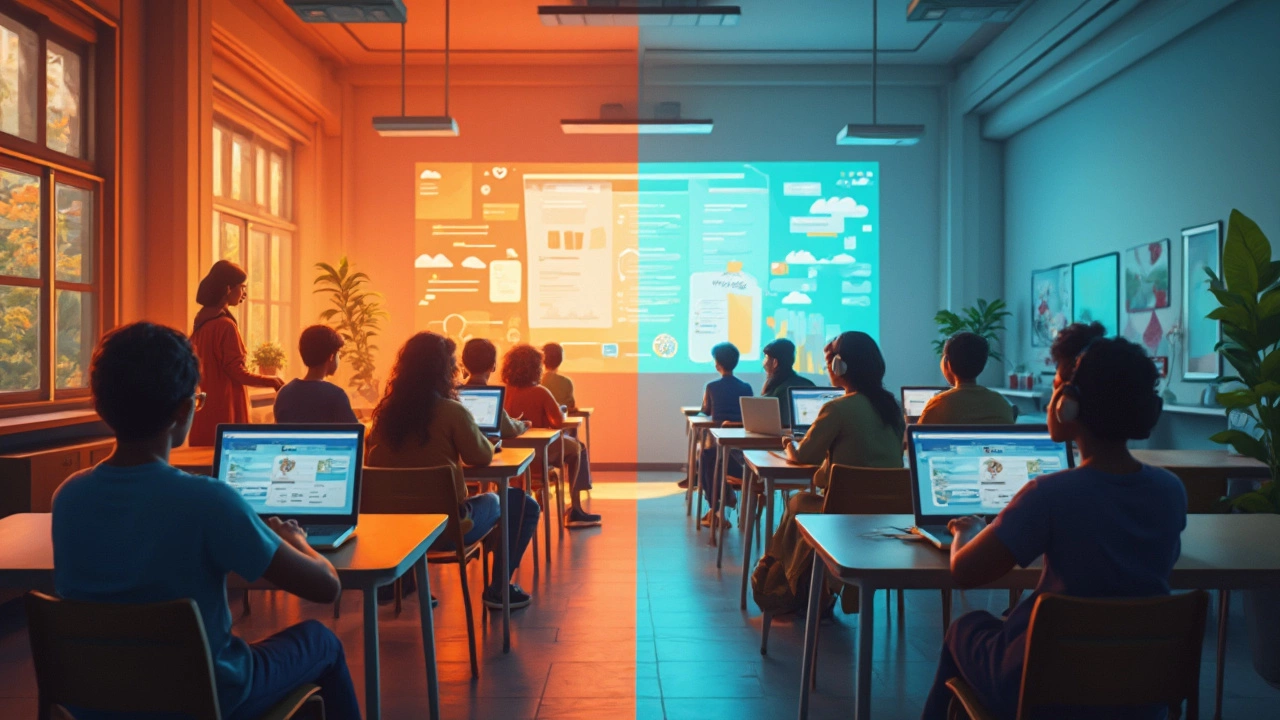
When you hear virtual learning, a way to access education through digital tools without being physically present in a classroom. Also known as online education, it's no longer just a backup plan—it’s the main road for millions of students and teachers across India. Whether you're studying for NEET from a small town, taking an MBA course while working, or helping your kid with Google Classroom, virtual learning is the invisible infrastructure behind your education.
It’s not just about watching videos. Real virtual learning means using platforms like Google Classroom, a free digital workspace teachers use to assign, collect, and grade work online to track progress, joining live sessions on Zoom or Meet, or using apps like Duolingo to build language skills one lesson at a time. It includes tools for quizzes, discussion boards, shared documents, and even AI-driven practice tests. The best part? You don’t need fancy gear. A phone, a stable connection, and a plan are enough to get started.
But here’s the catch—virtual learning doesn’t automatically mean better results. Many students log in, watch a lecture, and think they’re done. That’s not learning. Real progress comes from structure: setting daily goals, using spaced repetition to remember NEET facts, joining study groups, or tracking your own progress like top JEE toppers do. That’s why posts here cover not just the tools, but how people actually use them—like how ICSE students leverage digital resources for US college apps, or how coders learn Python without sitting in a lecture hall.
Some schools are switching away from Google because of privacy concerns. Others are building their own eLearning systems. Meanwhile, parents and students are left wondering: What’s actually working? Is Duolingo enough to learn English? Can you really get a job after a vocational course taken online? These aren’t hypotheticals. People are doing it—right now—and the results are mixed. Some thrive. Others fall behind because no one taught them how to learn alone.
This collection doesn’t just list tools. It shows you what virtual learning looks like when it works—and when it doesn’t. You’ll find real stories from students who cracked JEE using free resources, teachers who ditched Google for better privacy, and professionals who landed six-figure jobs after taking online MBA courses. You’ll see which platforms actually help you remember, which ones just waste time, and how to avoid the trap of thinking more screen time equals more learning.
Whether you’re a student trying to study for NEET from home, a teacher looking for better ways to engage, or a parent wondering if your kid’s online classes are enough—this isn’t about tech. It’s about outcomes. And what you’ll find below are the honest, practical, no-fluff guides that show you exactly how to make virtual learning work for you.