Is Google a Digital Platform for E‑Learning?
Explore whether Google qualifies as a digital e‑learning platform, compare its tools to traditional LMSs, and get a checklist to decide if it fits your teaching needs.
When you think of learning management system, a digital platform that organizes, delivers, and tracks online education. Also known as LMS, it’s the behind-the-scenes engine that runs everything from homework assignments to quiz scores in modern classrooms. It’s not just a fancy term for a website — it’s the backbone of how schools teach online, whether you’re in Delhi or Dimapur.
Most schools in India now use some kind of learning management system. Google Classroom, a free tool from Google that lets teachers post assignments, share files, and give feedback is the most common one. But it’s not the only one. Platforms like Moodle, Microsoft Teams for Education, and even custom-built LMS tools are being used by colleges and coaching centers. These systems don’t just replace paper handouts — they track who finished what, when they submitted it, and how they’re doing over time. That’s huge for students who need structure and for teachers who can’t possibly follow up with 50 kids every day.
What makes a good learning management system? It’s not about flashy graphics. It’s about simplicity. Can a student log in on a low-end phone and open a PDF? Can a teacher upload a video and set a deadline without training? Can parents see progress without asking? The best ones answer yes to all three. And that’s why schools are switching — not because they have to, but because they finally can. Some are leaving Google because of privacy concerns. Others are trying new platforms because their old one doesn’t work with local internet speeds. The real question isn’t which tool is best — it’s which one actually gets used.
Behind every learning management system are real people trying to make education work. A teacher in rural Bihar uploading notes for 80 students. A student in Bangalore reviewing a recorded lecture before an exam. A parent checking if their child turned in homework. These aren’t tech stories — they’re education stories. And the tools just make them possible.
Below, you’ll find real examples of how these systems are used — from free tools like Google Classroom to paid platforms that power top coaching institutes. You’ll see what works, what doesn’t, and how students and teachers are actually using them in 2025 — no fluff, just facts.
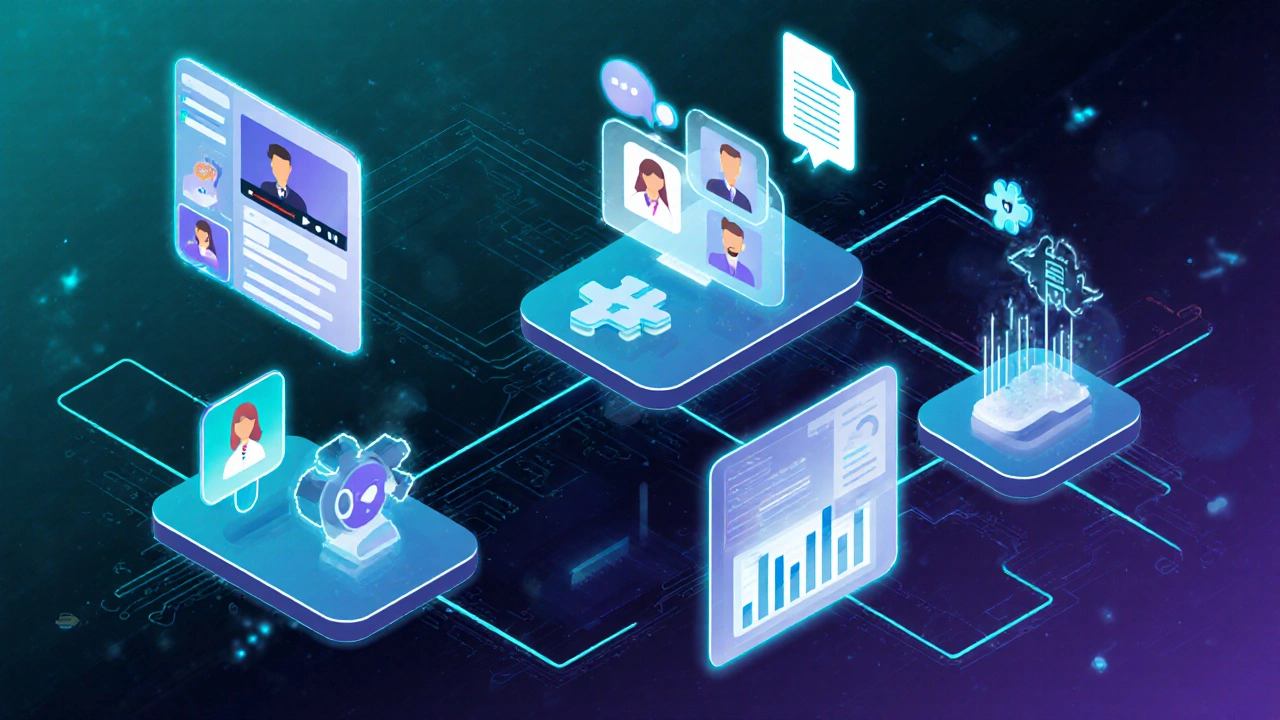
Explore whether Google qualifies as a digital e‑learning platform, compare its tools to traditional LMSs, and get a checklist to decide if it fits your teaching needs.